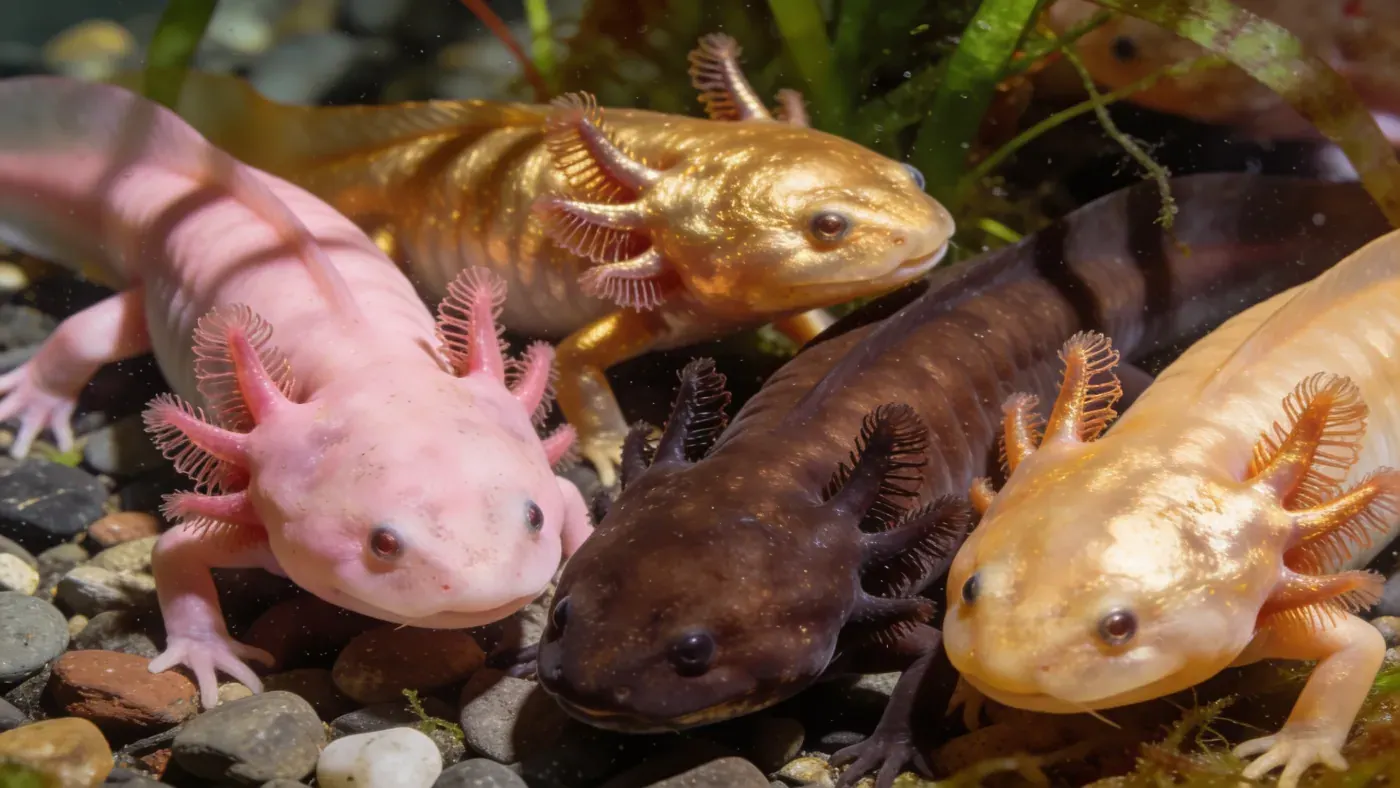
A Rainbow of Captive Varieties
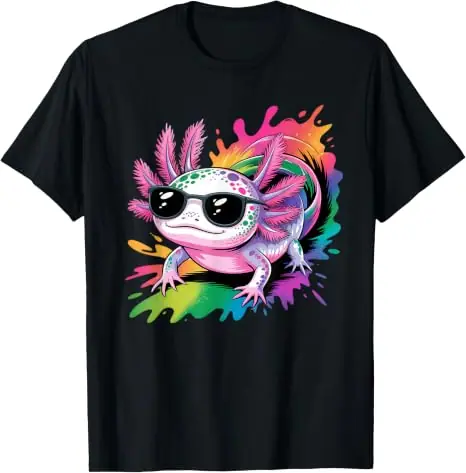
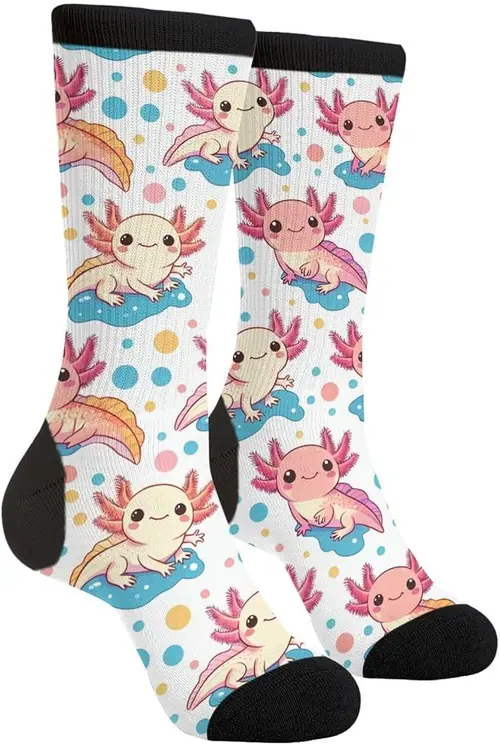
While wild axolotls have a dark, mottled coloration, decades of captive breeding have produced a range of color morphs, including pale pink leucistic axolotls, white or golden albinos, and solid black melanoid individuals.
Millions Bred, Few Left in the Wild
These color morphs have made axolotls popular in the pet trade and in research labs worldwide, even as the wild population continues to decline sharply in its native habitat.
Leucistic, Golden, and Melanoid Morphs
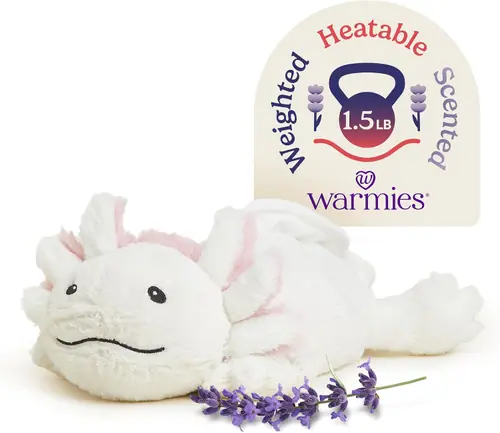
The palest pink-and-white "leucistic" axolotl is the most recognizable morph, alongside golden albinos with pale gold skin and pink eyes, and melanoid individuals that are solid black with no iridescent flecks. All descend from a small number of specimens bred in captivity since the 1860s.
A Genetically Narrow Population
Because most captive axolotls trace back to a handful of individuals collected from Mexico generations ago, the global pet and lab population is far less genetically diverse than the dwindling wild population — a gap conservationists are working to address through careful wild-lineage breeding programs.