Mammals · Suidae
Babirusa
Babyrousa (genus)
Vulnerable
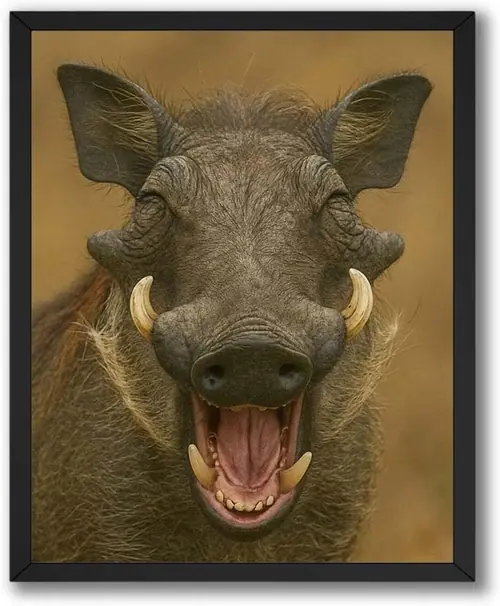
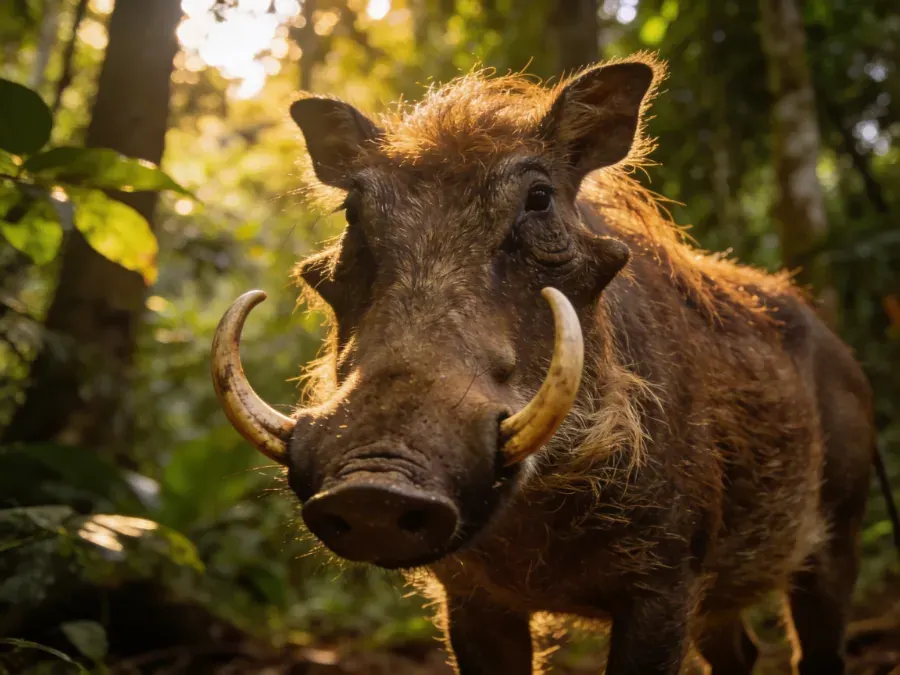
The Babirusa are a genus, Babyrousa, in the pig family, found in Wallacea — specifically the Indonesian islands of Sulawesi, Togian, Sula and Buru. They resemble the domestic pig, but are actually thought to be related to the hippo.
Classification
Kingdom: Animalia
Phylum: Chordata
Class: Mammalia
Order: Artiodactyla
Family: Suidae
Genus: Babyrousa
Other names: Wild East Indian Swine, Pig Deer
Size
Stand 25 to 30 in. at the shoulder; bodies 3.5 ft. long; weigh up to 220 lbs.
Habitat
Native to Sulawesi, some Togian Islands, the Sula Islands and Buru — tropical rainforests along river banks.
Description
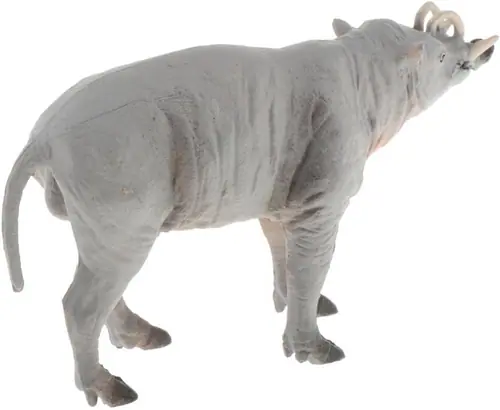
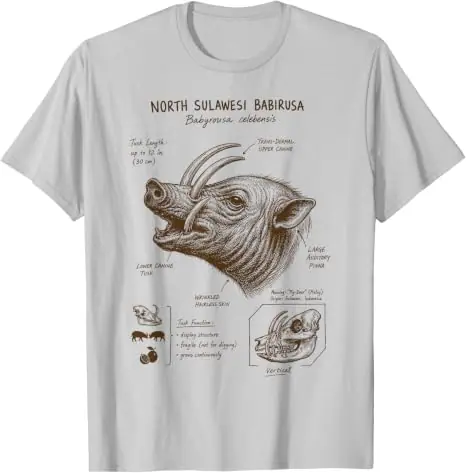
A rough, gray hide that is almost entirely hairless. Males have four tusks, two of which come right out of the snout.
Behavior
Wallow in mud during the day; forage for food at night.
Diet
Omnivorous — leaves, roots, fruits, nuts, insect larvae, and sometimes small animals.
Communication
Low grunts or moans, and clattering teeth when excited.
Gestation
150 to 157 days.
Birth
Litters of 1 to 3 babies, which nurse for 6 to 8 months.
Sexually Mature
Between 1 and 2 years.
Life Span
Up to 24 years.
Social Structure
Males tend to live solitarily; adult females can be found in groups with young, of up to 84 individuals.
Conservation Status
Protected in Indonesia — poaching is illegal, though commercial logging threatens habitat.
Did You Know?
Babirusas are fast runners and swim readily.
Did You Know?
The babirusa does not have many enemies — namely only wild dogs and humans.
Babirusa in Foreign Languages
Esperantobabiruso
Frenchbabiroussa
GermanHirscheber / Babirusa
Irishbabarúsa
Italianbabirussa
Malaybabi rusa