Tusks That Grow Through the Snout
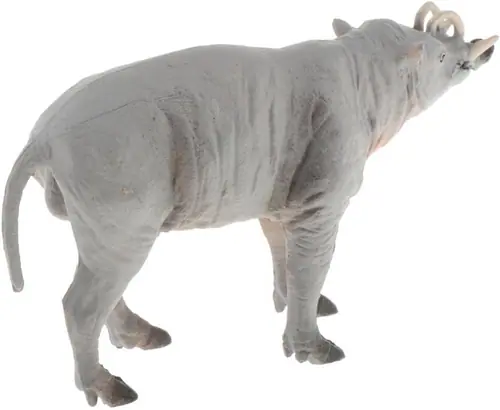
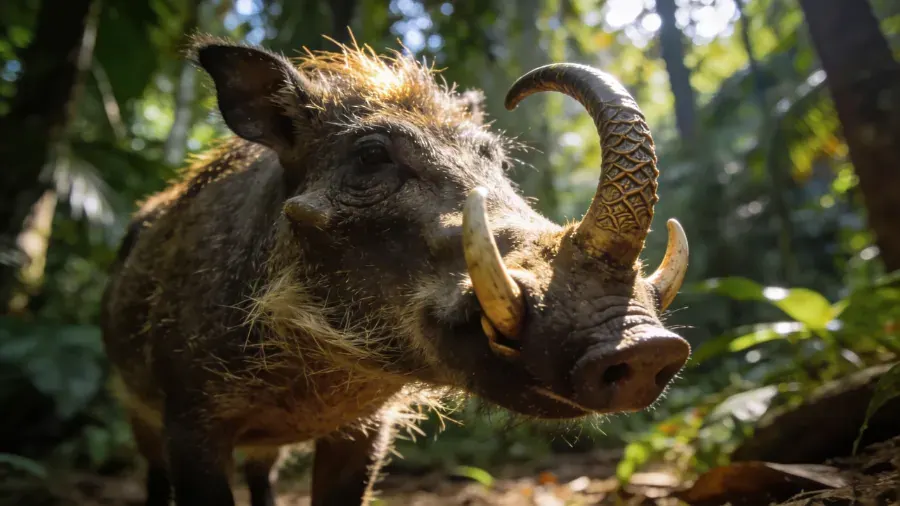
Male babirusa grow two pairs of tusks, but it’s the upper pair that make them unmistakable: these canine teeth grow upward, piercing through the skin on top of the snout and curving back toward the forehead, sometimes nearly touching the skull. The lower tusks grow more conventionally, pointing upward from the lower jaw.
Not Used for Fighting Prey
Unlike the tusks of true pigs, babirusa upper tusks are brittle and not well suited to combat or digging. Researchers believe males use them mainly in ritualized sparring with rivals, pushing and shoving with their lower tusks and heads while the curved upper tusks may serve a largely visual, display role.
A Name That Means "Pig-Deer"
The name babirusa comes from Indonesian words meaning "pig" and "deer," a nod to how the animal’s slender legs and curling tusks give it a deer-like silhouette unlike any other pig species. It is found only on Sulawesi and a few neighboring Indonesian islands.