A Name Rooted in Communication
Baboons are primates closely related to mandrills. Their name traces back to a French word meaning "lip," likely inspired by their frequent lip-smacking — a friendly gesture baboons use when communicating with one another.
Savanna Dwellers, With Exceptions
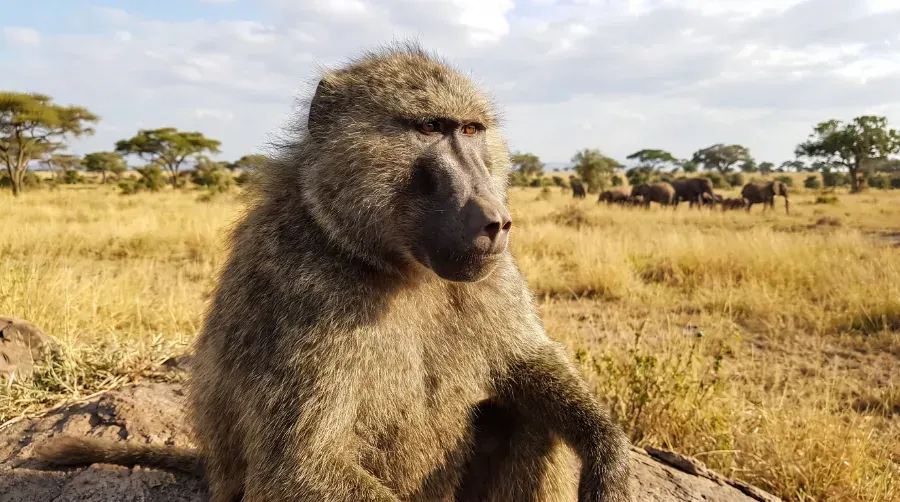
Baboons inhabit a broad stretch of land across central Africa, generally favoring savanna and other semi-arid habitats, though some populations live instead in tropical forests.
Among the Largest Primates
Excluding apes, baboons rank among the largest primates, second in size only to drills and mandrills. Males typically weigh 33 to 82 pounds and measure 20 to 40 inches long excluding the tail, which itself can run 16 to 23 inches. Males are generally larger than females across most species.
Distinctive Facial and Physical Features
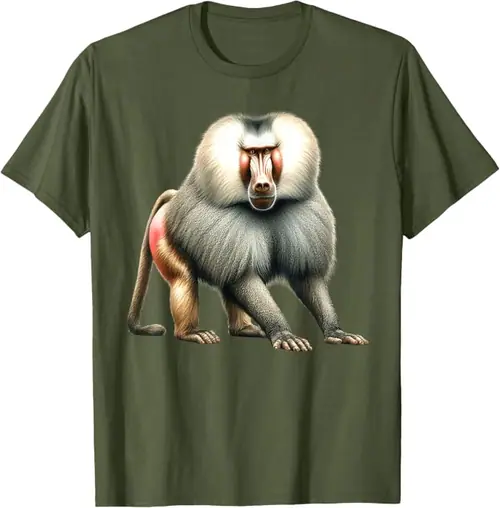
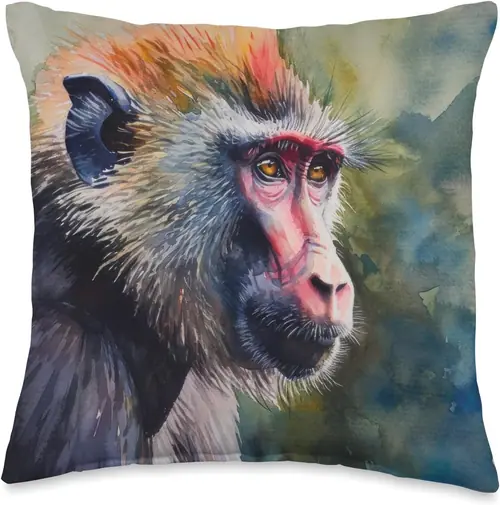
Baboons are easily identified by their long snouts, close-set eyes, strong jaws, and sharp teeth. A layer of thick fur covers most of the body, leaving the face, tail, and buttocks bare. In some species, males and females differ not just in size but also in coloring or tooth shape.