Classification & Appearance
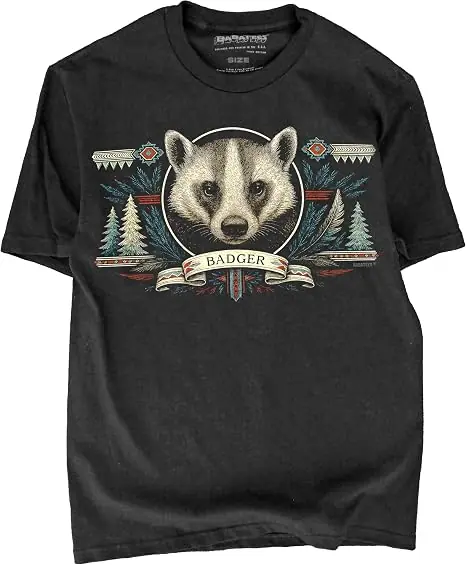
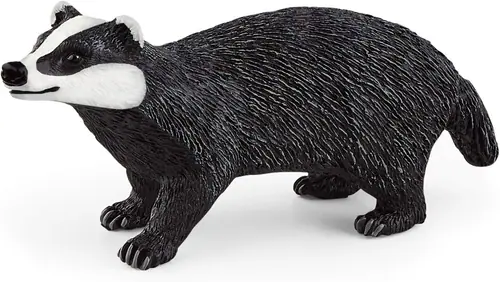
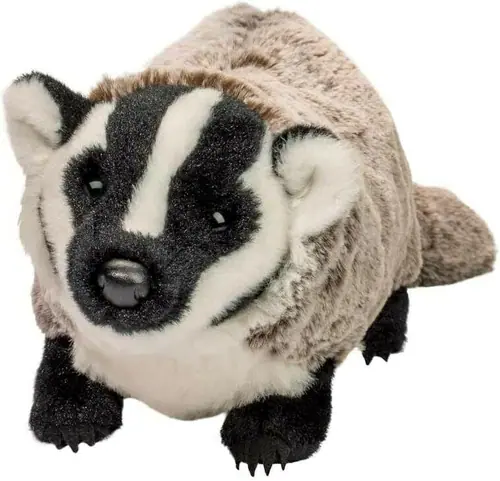
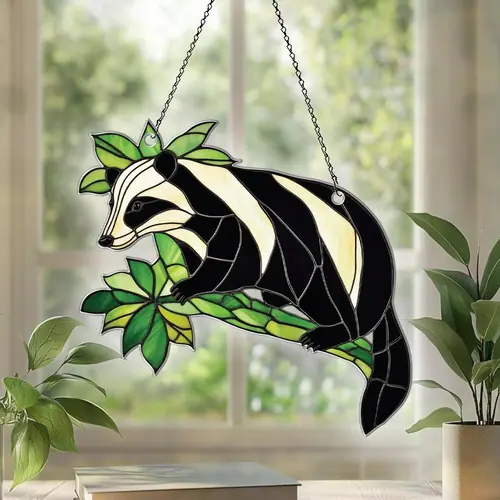
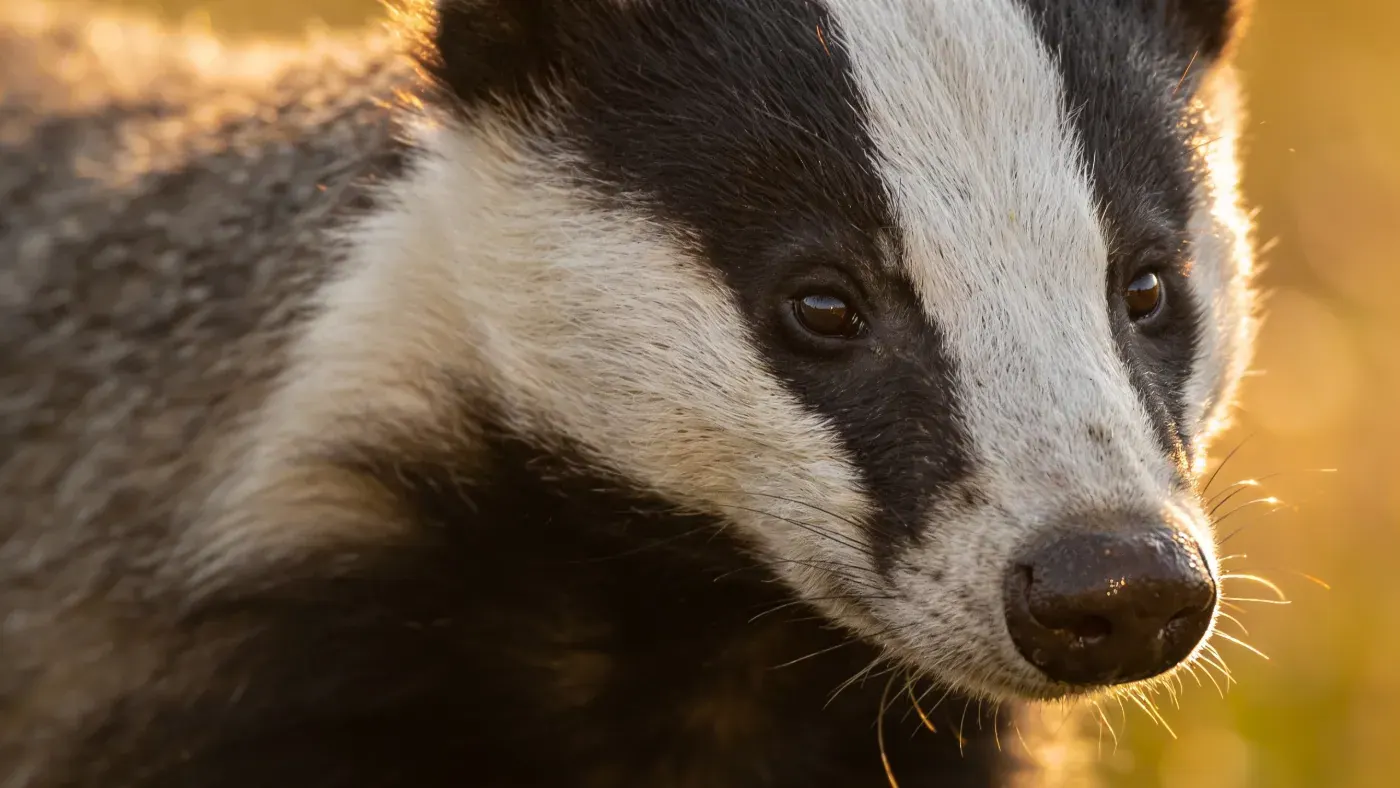
The Eurasian badger's scientific name is Meles meles. It belongs to the weasel family, Mustelidae, alongside otters, stoats, and martens, though its stocky, low-slung body and short legs make it look quite different from its slender relatives. Its most distinctive feature is the bold black-and-white striping on its face — two dark bands running from the nose, over the eyes, to the small rounded ears — a pattern thought to help badgers recognize one another and warn off predators.
Built for Digging
A badger's front paws carry long, strong, curved claws and powerful shoulder muscles, purpose-built for excavating tunnels through compacted soil and clay. This same digging power lets a badger displace an enormous amount of earth over its lifetime — a well-established sett can include hundreds of feet of tunnel and dozens of entrances, expanded by successive generations of the same family group.
Nose and Ears Over Eyes
Badgers have comparatively poor eyesight, seeing best in black-and-white and struggling to pick out stationary objects. They rely instead on an exceptional sense of smell and hearing to locate food and detect danger, foraging mostly after dark when their other senses give them a bigger advantage over sharper-eyed predators and prey alike.
Seasonal Weight Swings
Badgers don't hibernate in the strict sense, but in colder parts of their range they enter long stretches of deep sleep called torpor through the harshest winter weeks, living off fat reserves built up in autumn. A badger's weight can swing dramatically across the year, often reaching its heaviest in October or November before dropping through the lean winter months.
Widespread but Under Pressure
The Eurasian badger is classified as Least Concern, with a broad range and generally stable population across most of Europe. Locally, though, badgers face pressure from road traffic, habitat loss to development, and — in parts of the United Kingdom — controversial culling programs tied to concerns over bovine tuberculosis transmission to cattle.