A Mixed and Uneven Picture
Of more than 1,400 bat species, roughly a quarter are considered threatened by the IUCN, though status varies enormously — some species remain abundant while others, particularly island-endemic fruit bats and cave-roosting species with very limited ranges, face genuine extinction risk.
White-Nose Syndrome
A fungal disease called white-nose syndrome, first detected in North America in 2006 and spread inadvertently by human cave visitors, has killed millions of hibernating bats across the eastern United States and Canada, devastating some previously common species and becoming one of the most severe wildlife disease outbreaks recorded in modern times.
Habitat Loss and Roost Disturbance
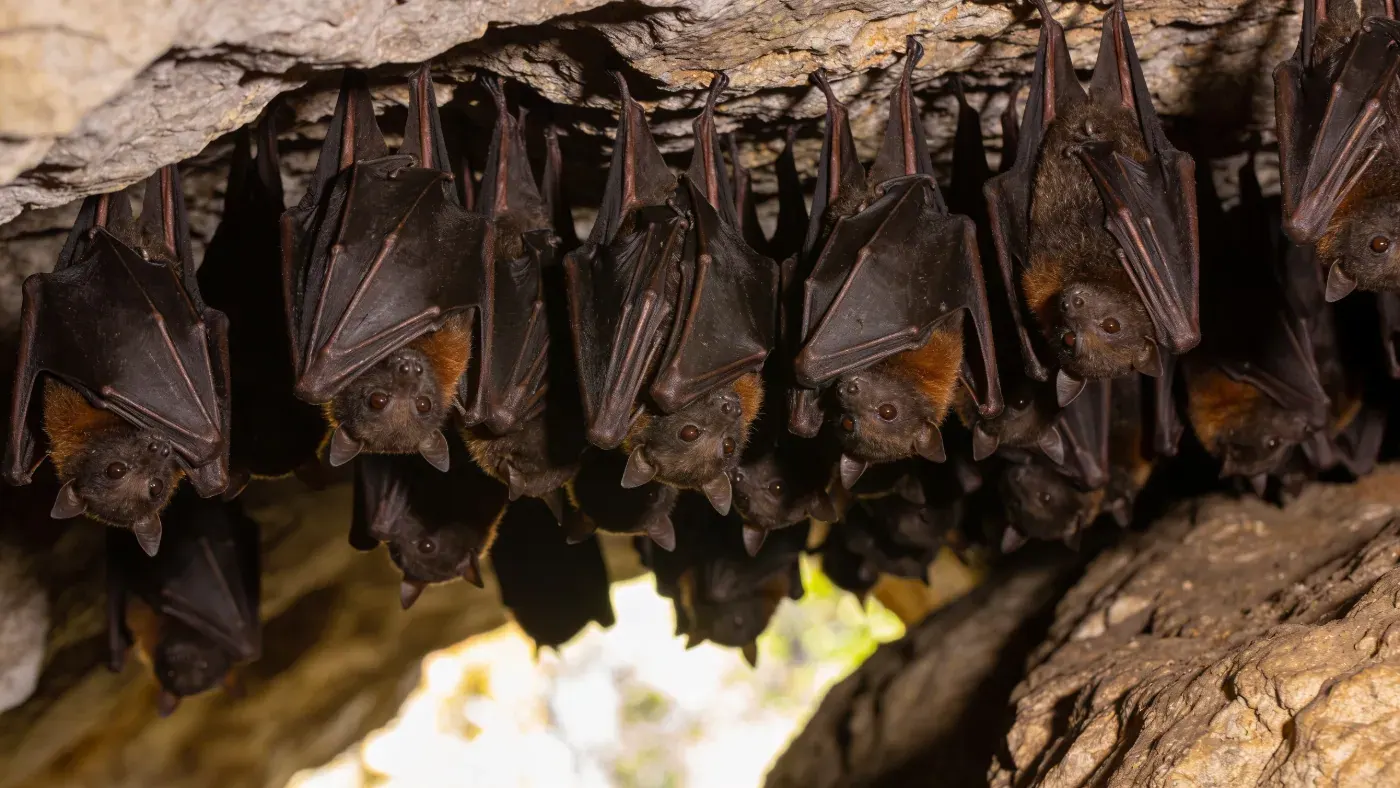
Deforestation removes both roosting sites and foraging habitat for forest-dependent bat species, while disturbance of cave roosts — including well-meaning cave tourism — can cause hibernating or maternity colonies to abandon a site entirely, sometimes with fatal consequences for pups too young to relocate.
Persecution From Misplaced Fear
Cultural associations between bats and disease, combined with genuine but often exaggerated concerns about rabies, have led to bat colonies being destroyed or evicted from buildings and caves in many parts of the world — a response conservationists argue is usually disproportionate to the actual, generally low risk most bat species pose.
A Species Whose Value Is Easy to Overlook
Because bats are nocturnal and rarely seen up close, their substantial ecological and economic contributions — insect control, plant pollination, and seed dispersal for many tropical fruit species — are widely underappreciated relative to more visible wildlife, which conservation groups argue has slowed public support for bat protection compared with more charismatic threatened species.