Range, size and diet across the family Ursidae.
American Black Bear
Ursus americanus. Canada and much of the USA. 90–600 lbs. The most numerous bear in the world; an adaptable omnivore that lives close to people across much of its range.
Asiatic Black Bear
Ursus thibetanus. Southern Asia to the Russian Far East. 220–440 lbs. Marked with a pale crescent on the chest; largely arboreal and heavily affected by the trade in bear parts.
Brown Bear
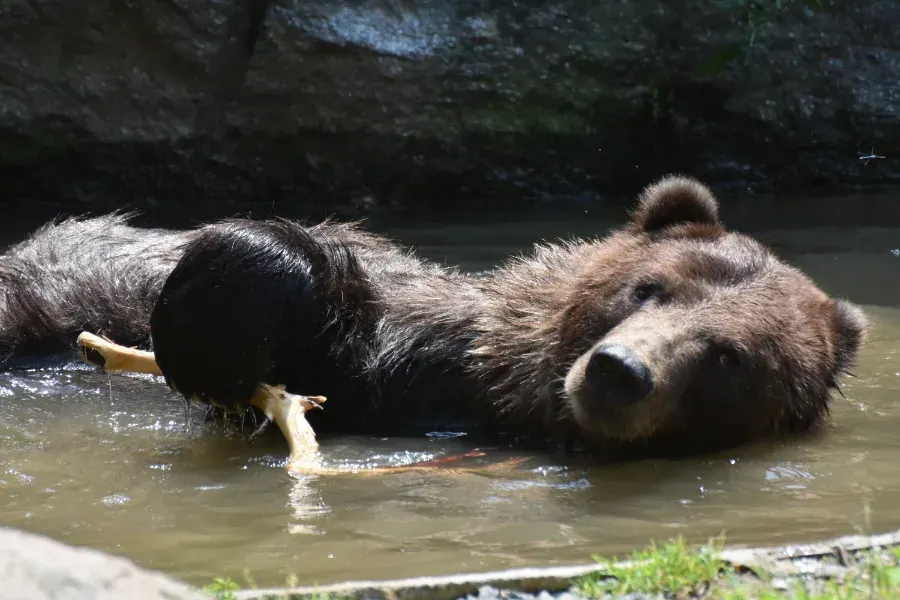
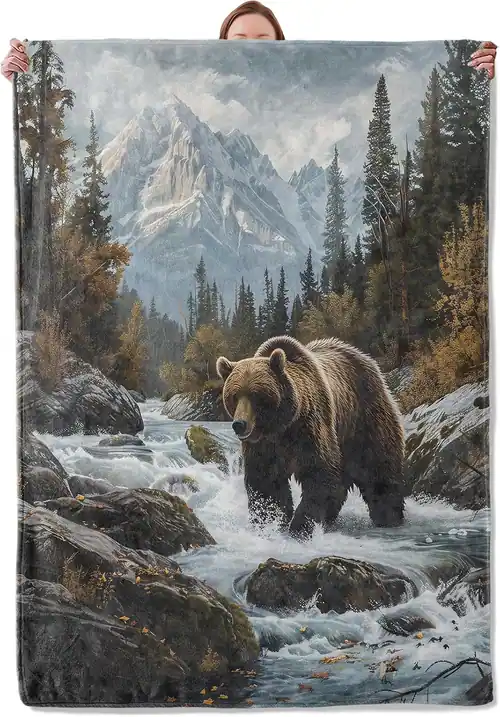
Ursus arctos. Northern Eurasia and North America. 300–1,500 lbs. Includes the grizzly and the Kodiak; the most widely distributed bear species.
Polar Bear
Ursus maritimus. Arctic sea ice. 900–1,600 lbs. The most carnivorous bear, dependent on sea ice to hunt seals.
Giant Panda
Ailuropoda melanoleuca. Mountain bamboo forest in central China. 150–275 lbs. Eats bamboo almost exclusively and must consume 20–40 lbs a day.
Sloth Bear
Melursus ursinus. India, Sri Lanka and Nepal. 120–310 lbs. A specialist on termites and ants, with a shaggy coat and long curved claws for digging.
Spectacled Bear
Tremarctos ornatus. Andean South America. 130–440 lbs. The only bear native to South America, named for the pale rings around its eyes.
Sun Bear
Helarctos malayanus. Southeast Asian rainforest. 60–150 lbs. The smallest bear, with a short sleek coat and an extremely long tongue for reaching honey and insects.