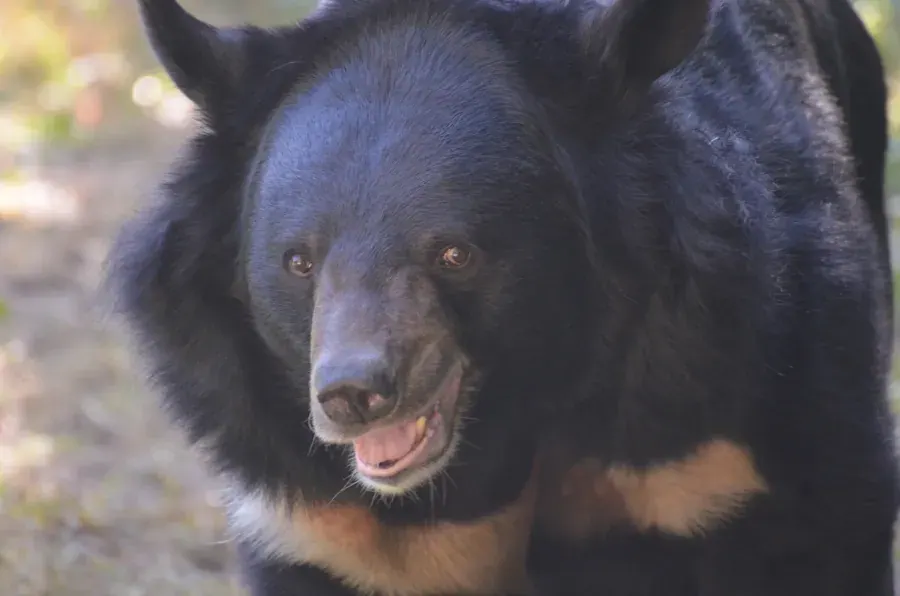
A Fed Bear Is a Dead Bear
The phrase is blunt and it is accurate. A bear that obtains human food once will return, and each success makes it bolder and less wary. Food-conditioned bears break into vehicles, tents and buildings, and eventually threaten someone; at that point the animal is relocated, and relocated bears frequently return or repeat the behaviour elsewhere. Most are ultimately destroyed. The sequence begins with a single sandwich.
Why Bears Are So Easily Conditioned
Bears combine an exceptional sense of smell, high intelligence, excellent spatial memory and enormous seasonal calorie requirements. A bear in autumn hyperphagia may need 20,000 calories a day, and a cooler full of food represents a week of foraging in a single container. From the bear’s point of view, learning to raid campsites is simply efficient. Everything about the animal’s biology makes it good at exactly this.
Food Storage in Practice
In bear country all food, garbage, cooking gear, toiletries, sunscreen and anything else scented must be stored in a bear-resistant container, a provided locker, or a properly hung bag — not in a tent, and in many parks not in a vehicle. Cook and eat well away from where you sleep. Wash dishes and dispose of water at a distance. Pack out every scrap, including crumbs and grease. These rules are the same in a national park backcountry site and in a rural yard.
At Home in Bear Country
Residential attractants cause more conflict than campsites do. Secure garbage in a bear-resistant bin and put it out only on collection morning. Take down bird feeders in spring and summer. Pick fruit as it ripens and clear windfall. Clean barbecues. Keep pet food indoors. Electric fencing protects beehives, chicken coops and orchards effectively and is the standard recommendation where bears are established.
If You Meet a Bear
Do not run — bears are faster than any person and running invites pursuit. Stand your ground, make yourself known by speaking calmly and firmly, and back away slowly while facing the animal. Never approach, and never place yourself between a sow and her cubs. Carry bear spray where it is permitted, keep it accessible rather than packed, and know how to use it before you need it. Never feed a bear intentionally, however calm it appears.