A Brown Bear of the Interior
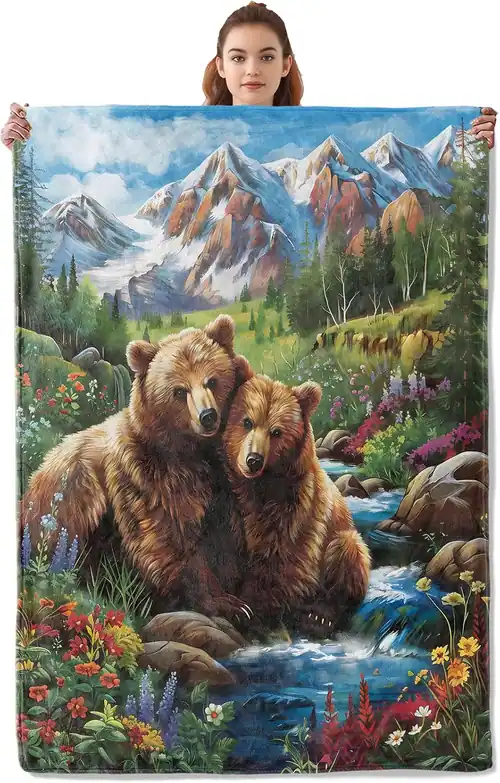
The grizzly is not a separate species but a subspecies of brown bear, Ursus arctos horribilis — the inland form found across western North America. The name comes from the grizzled, silver-tipped guard hairs on its coat rather than from any resemblance to the word grisly, though early accounts made free use of both spellings.
Recognising a Grizzly
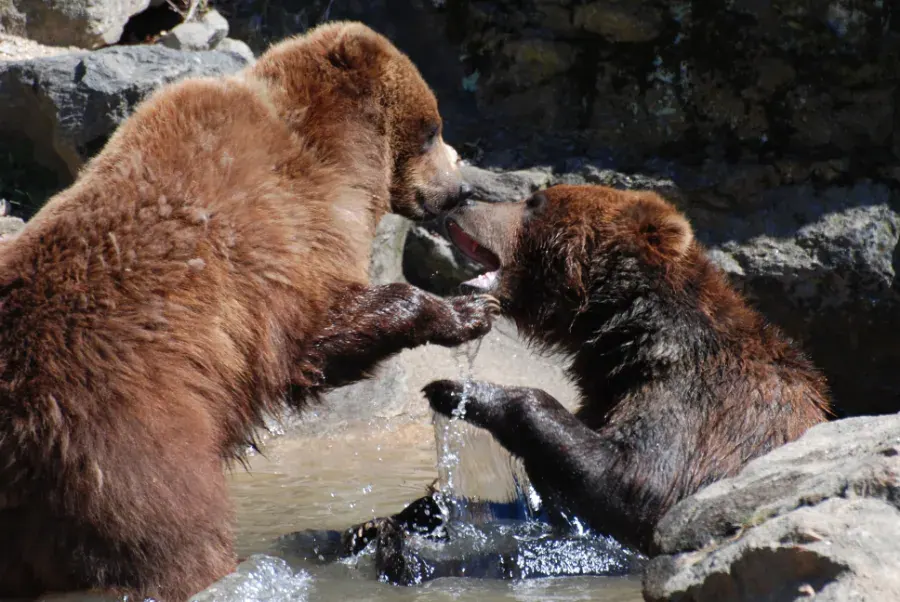
Three features separate a grizzly from a black bear, and none of them is colour: a pronounced muscular hump over the shoulders, a dished or concave facial profile, and long front claws — two to four inches — better suited to digging than to climbing. Black bears have a straight facial profile, no hump and short curved claws. Colour is unreliable in both species.
Size and Strength
Interior grizzlies typically weigh 300 to 700 pounds, with coastal brown bears feeding on salmon growing considerably larger. The shoulder hump is pure digging musculature, powering claws that can excavate a ground squirrel burrow or turn over a boulder field, and it is the reason a grizzly can dig a den into a hillside in a matter of days.
Diet Through the Year
Grizzlies are omnivores whose diet tracks the season closely. Spring brings grasses, sedges, roots and winter-killed carrion. Summer adds insects, ground squirrels, marmots, and in some regions moths gathered in mountain talus. Late summer and autumn are dominated by berries and, where available, salmon — the period of hyperphagia, when a bear may consume 20,000 calories a day to build the fat it needs for winter.
Denning
Grizzlies dig their own dens, usually on a north-facing slope where snow accumulates and insulates. They enter in October or November and emerge in March through May, having neither eaten nor drunk for months. Cubs are born in the den midwinter, one to three at a time, and remain with their mother for two to three years.