The Sea Bear
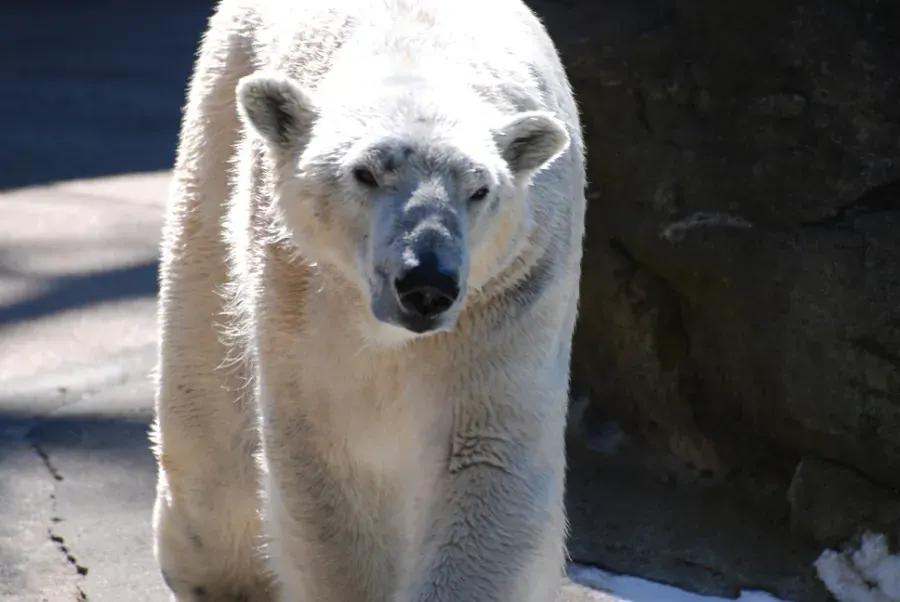
The polar bear, Ursus maritimus — literally "sea bear" — is the most carnivorous member of the bear family and the only one classified as a marine mammal. It evolved from brown bear ancestors within the last several hundred thousand years and is adapted so thoroughly to Arctic conditions that it is effectively a creature of the sea ice rather than of land.
Built for the Arctic
Insulation comes in layers: up to four inches of fat beneath a dense undercoat and an outer layer of hollow, transparent guard hairs. The hairs are not white — they scatter light, and the skin beneath them is black to absorb solar warmth. The paws are enormous, spreading weight across thin ice and functioning as paddles in the water, with rough soles and short claws for grip.
Hunting Seals
Ringed and bearded seals are the main prey. The classic technique is still-hunting: the bear locates a breathing hole by scent, waits motionless beside it, sometimes for hours, and strikes when the seal surfaces. In spring, bears break into snow-covered birth lairs to take seal pups. A polar bear needs the fat far more than the protein, and a well-fed bear will often eat the blubber and leave the rest.
Range and Populations
Polar bears occur throughout the ice-covered waters of the circumpolar Arctic, across five nations: Canada, the United States, Russia, Greenland (Denmark) and Norway. Biologists divide the total — somewhere around 22,000 to 31,000 animals — into 19 subpopulations. Canada holds roughly two-thirds of them.
Sea Ice and the Future
Polar bears hunt from sea ice, and where the ice season shortens they simply have fewer days to feed. Bears in the southernmost subpopulations, notably western Hudson Bay, now spend longer fasting on shore, and declines in body condition, cub survival and overall numbers have followed. The species is listed as Vulnerable, and the trajectory of Arctic sea ice is the single factor that will determine its future.