Mississippi, 1902
In November 1902 President Theodore Roosevelt joined a bear hunt in Sharkey County, Mississippi, at the invitation of the state’s governor. The hunt went badly. After days without a sighting for the president, his guides cornered an exhausted black bear, tied it to a tree and invited Roosevelt to shoot it. He refused, considering it unsportsmanlike, and ordered the animal put down to end its suffering. The refusal, not the hunt, became the story.
The Cartoon
Clifford Berryman drew the scene for The Washington Post under the caption "Drawing the Line in Mississippi", showing Roosevelt turning away from a frightened bear. Berryman redrew the bear repeatedly in later cartoons, and with each version it grew smaller, rounder and more cub-like — a recognisable character rather than a hunted animal.
Brooklyn and Giengen
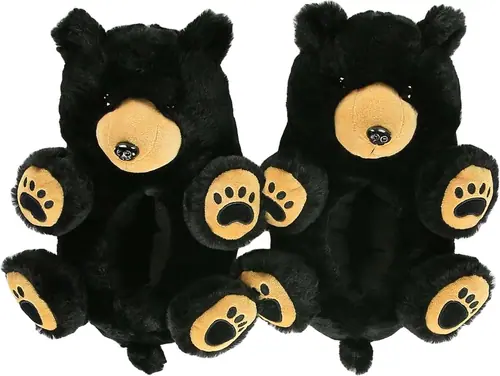
Two makers responded almost simultaneously and independently. In Brooklyn, shopkeepers Morris and Rose Michtom made a jointed plush cub, displayed it as "Teddy’s bear", and after reportedly writing to the president for permission to use the name, found demand large enough to found the Ideal Novelty and Toy Company. In Germany, the Steiff company of Giengen was already producing a jointed mohair bear designed by Richard Steiff; it was shown at the Leipzig toy fair in 1903 and a large American order followed.
Why It Stuck
The teddy bear arrived at a moment when soft toys were becoming acceptable for small children and when Roosevelt was among the most popular figures in American public life. The name attached itself to a president known for wilderness and conservation, and the object itself — jointed, plush, faceable — was well suited to being carried, dressed and confided in. Within a few years it was ubiquitous in Europe and America alike.
The Animal Behind the Toy
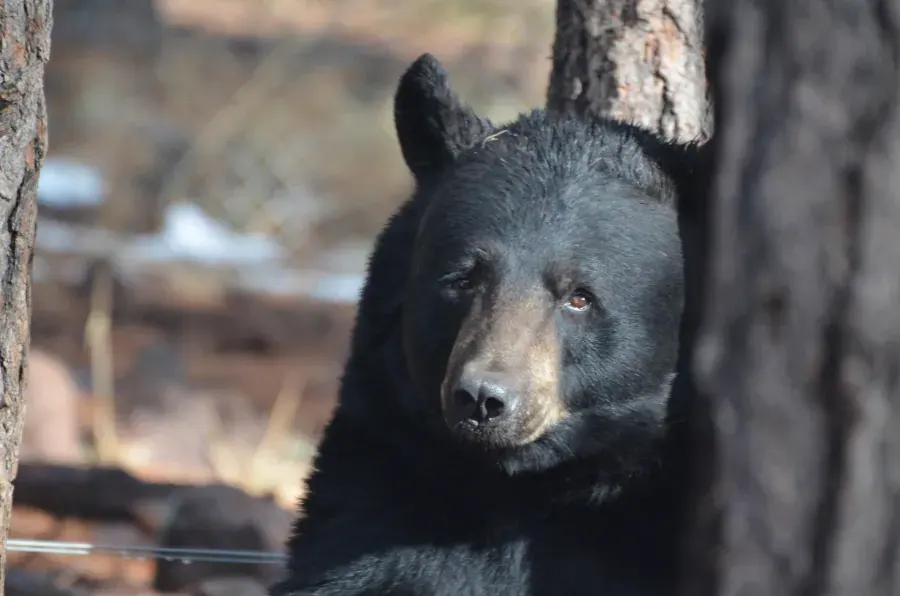
The bear Roosevelt declined to shoot was an American black bear, Ursus americanus — the most numerous bear species in the world, and still the one most likely to be encountered by anyone living in bear country in North America. The most successful children’s toy of the twentieth century is, in the end, a monument to a president’s refusal to kill one.