A Coat That Varies by Region
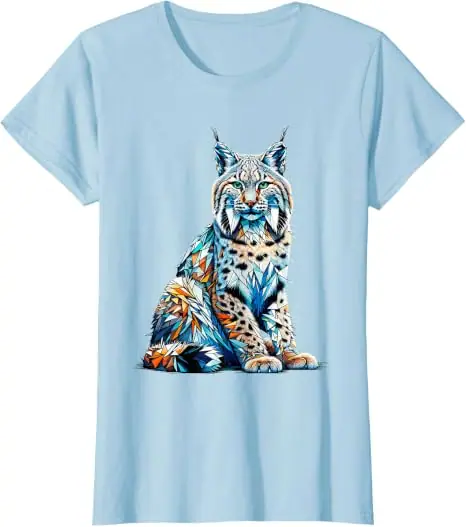
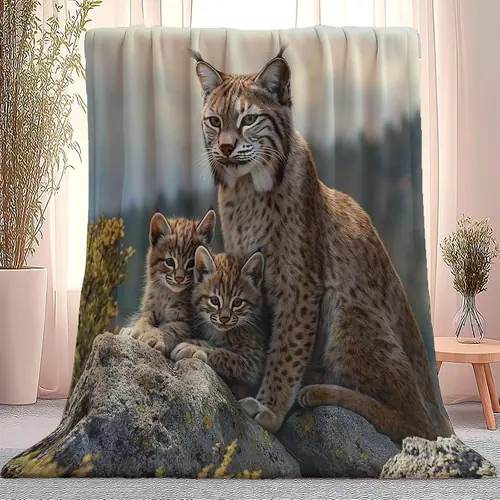
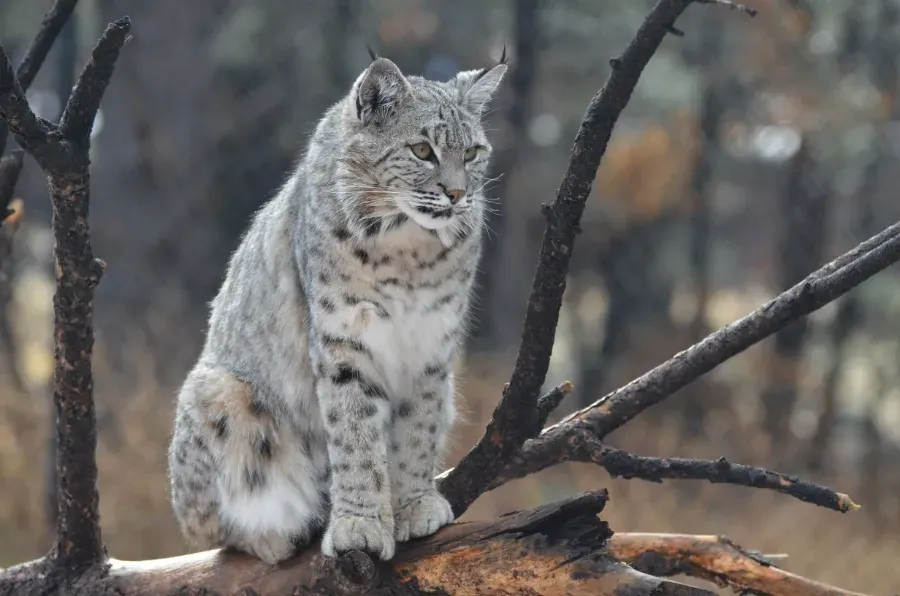
A bobcat's coat ranges from tawny brown to buff or reddish, with a white or pale underside, and the intensity of its markings can vary significantly by region. Bobcats living in humid climates like Florida tend to have darker, more richly patterned coats, while those in the arid Southwest often show paler, more washed-out coloring — both variations suited to blending into their local surroundings.
Spots and Stripes for Broken Outlines
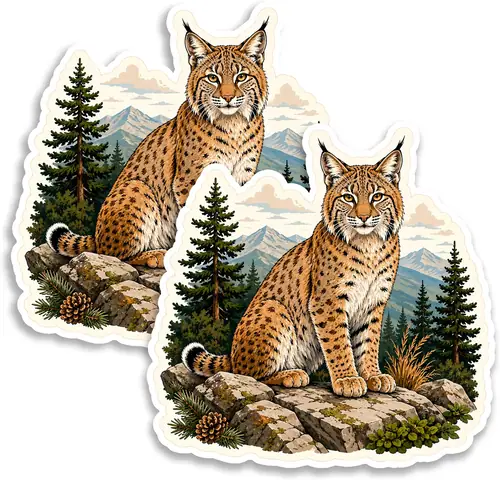
Dark brown or black spots and streaks appear across the body, most concentrated on the legs and flanks, breaking up the bobcat's outline against dappled sunlight and undergrowth. This disruptive patterning works especially well in forests and brushy terrain, where broken light and shadow already fragment shapes.
The Telltale Bobbed Tail
The short, "bobbed" tail that gives the species its name measures only 4 to 7 inches and carries a black tip on top with white underneath — a marking pattern shared with the bobcat's larger relative, the Canada lynx, though the two can still be told apart by tail length and tip coloring.
Ear Tufts and Facial Ruffs
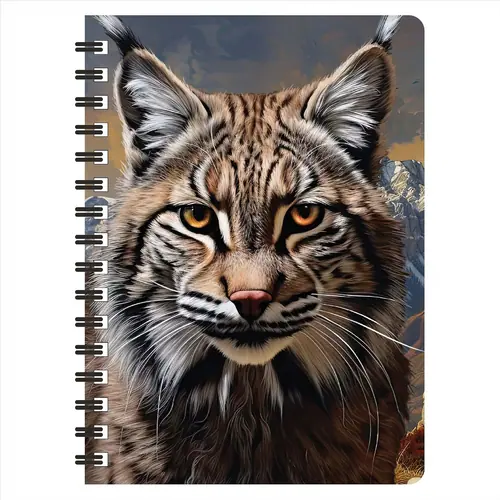
Short black tufts on the ear tips and a ruff of longer fur framing the face give the bobcat a distinctive silhouette. These features may help enhance hearing and, some researchers suggest, aid in visual communication between individuals during rare encounters.