Ear Tufts and Paws
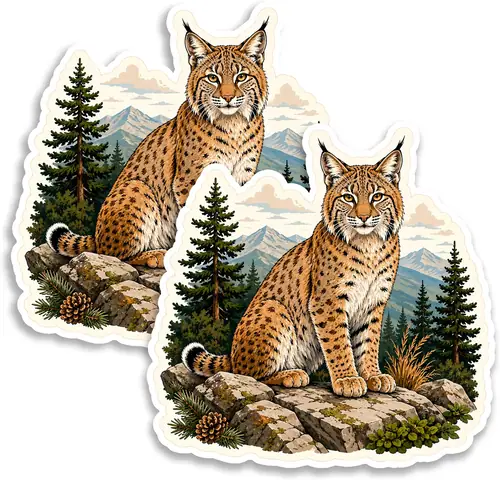
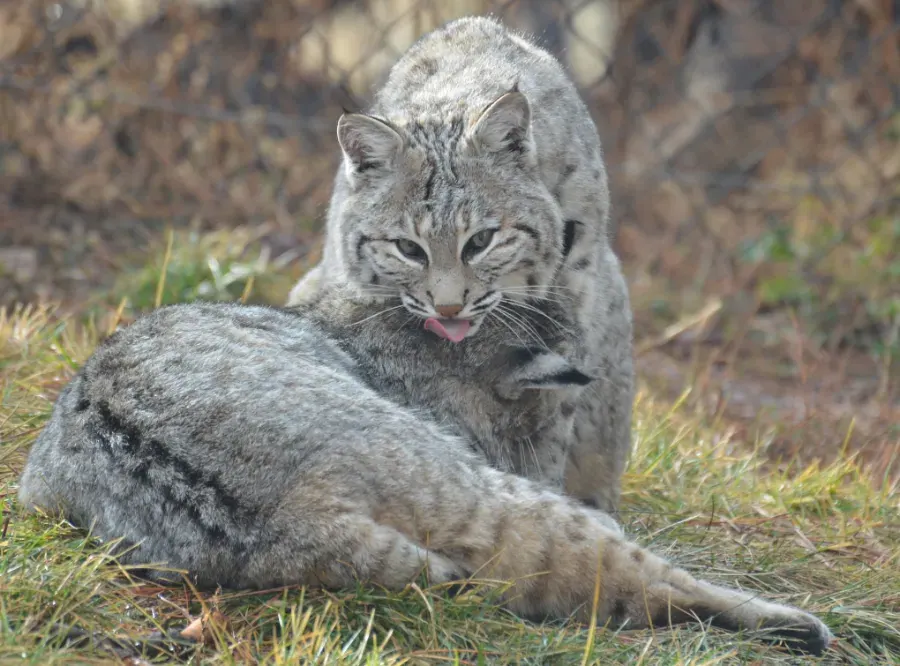
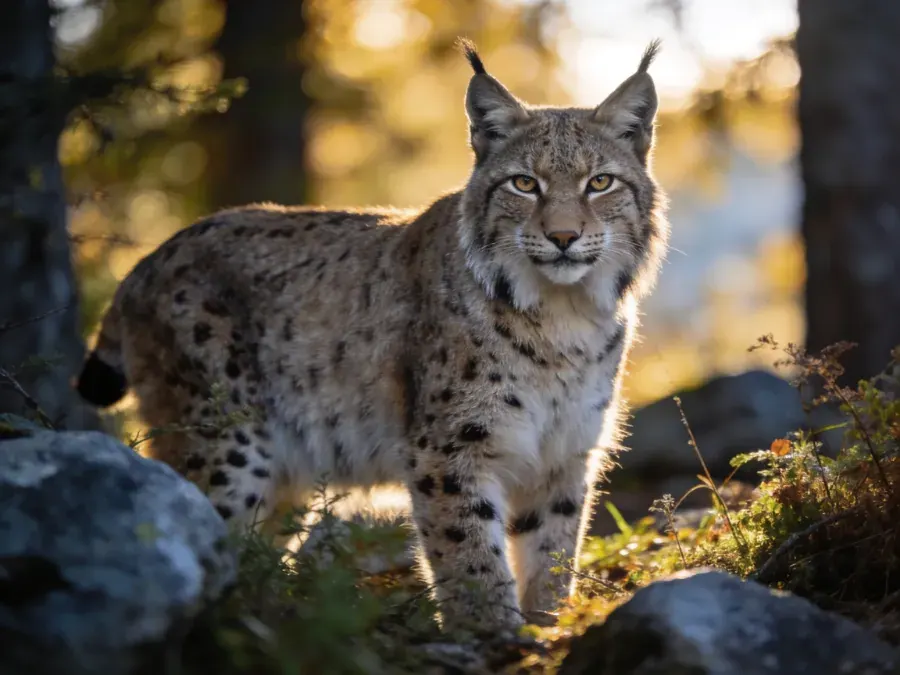
Both bobcats and Canada lynx have tufted ears and a short "bobbed" tail, which leads to frequent confusion, but lynx have noticeably longer ear tufts and much larger, more heavily furred paws built like snowshoes for deep snow. Bobcats have smaller, less padded paws suited to a wider range of terrain.
Coat and Build
Lynx have a uniformly grayish coat with less visible spotting, while bobcats typically show more distinct spots and streaks, especially on the legs. Lynx also have longer legs relative to their body, giving them a taller, leaner silhouette than the more compact bobcat.
Different Diets, Different Ranges
Canada lynx depend heavily on snowshoe hares and are found mainly in northern boreal forests, while bobcats have a much broader diet and range across nearly all of the contiguous United States. Where their ranges do overlap in southern Canada and the northern U.S., lynx tend to stick to deeper snow country that bobcats avoid.