Grazing That Shapes Grassland
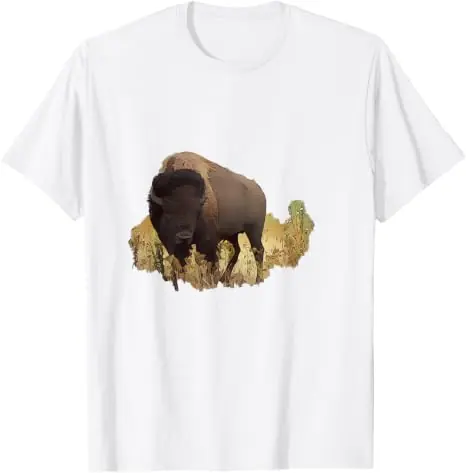
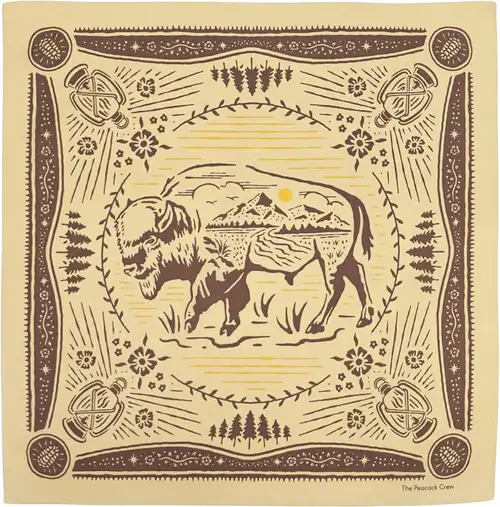
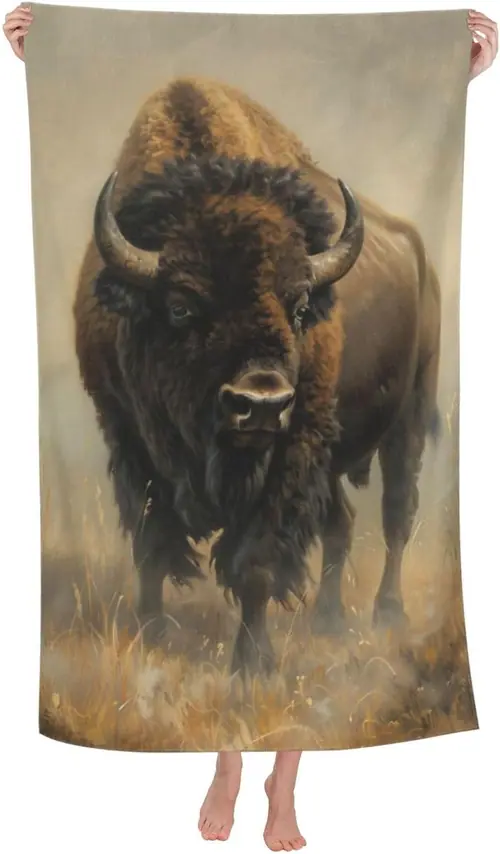
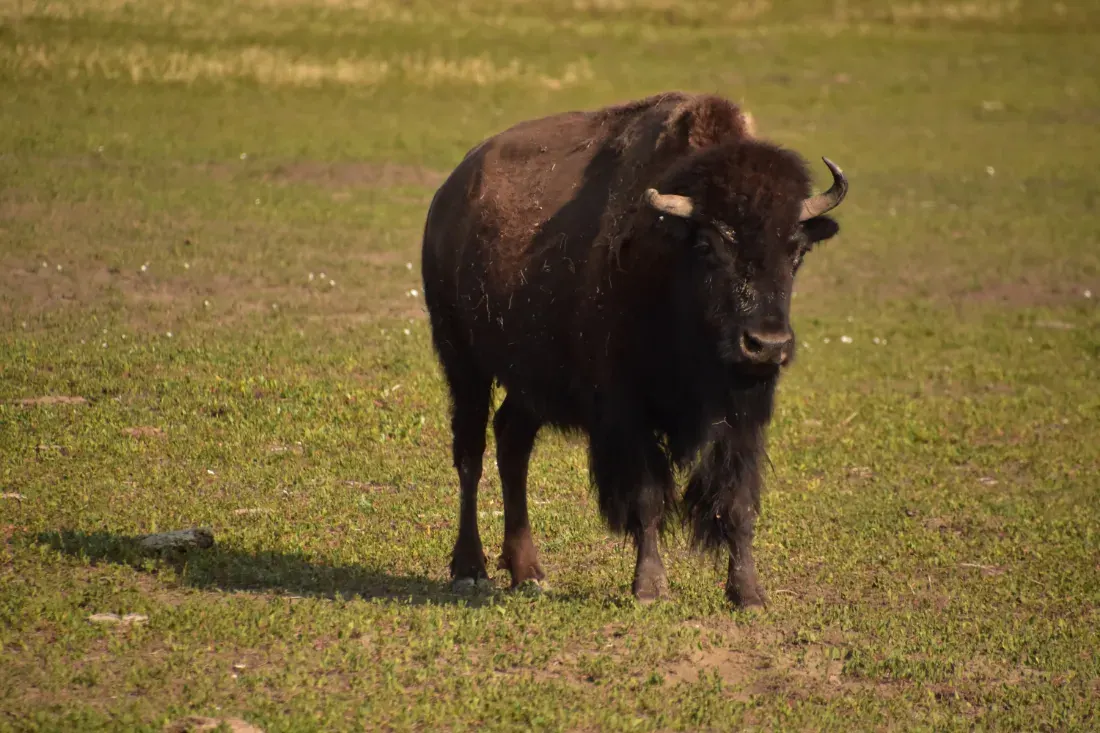
Bison graze in a patchy, roaming pattern that keeps grasslands from becoming overgrown by any single plant species, creating a varied mix of grass heights that benefits many other prairie animals, from ground-nesting birds to small mammals.
Wallows That Hold Water
Bison roll in dry soil to coat themselves in dust as protection from insects, gradually carving out shallow depressions called wallows. These wallows collect rainwater and become temporary habitat for amphibians and insects, adding another layer of biodiversity to the grassland.
A Keystone Species
Because so many other prairie species depend directly or indirectly on the changes bison make to their environment, ecologists consider the bison a keystone species — one whose presence or absence reshapes the entire ecosystem around it.