The "Ships of the Desert"
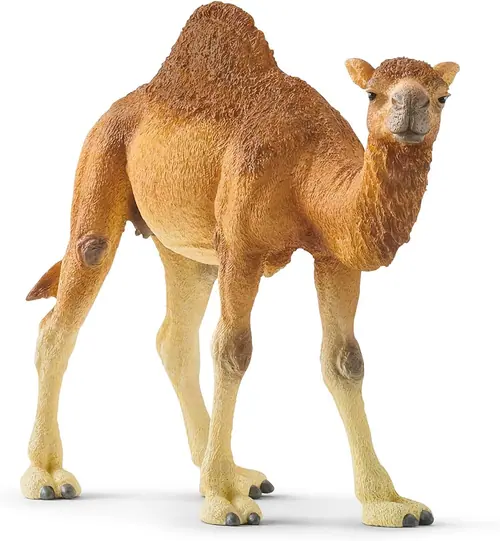
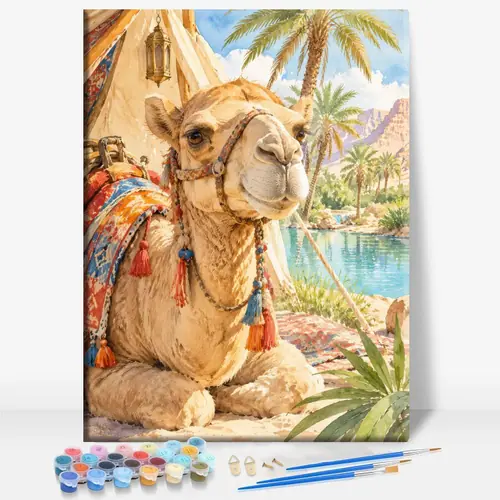
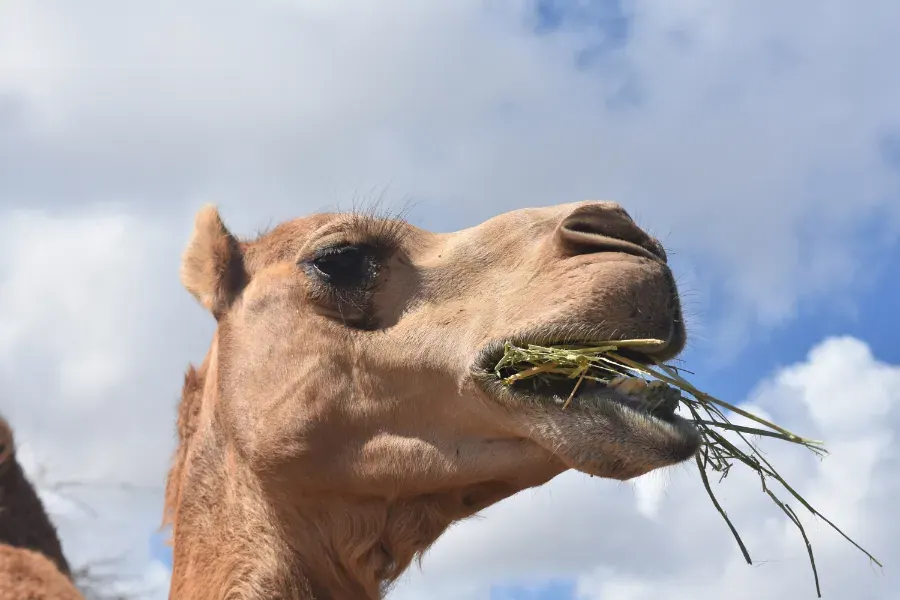
For thousands of years, camels earned the nickname "ships of the desert" by carrying goods and people across terrain that would exhaust horses or oxen. Domesticated around 3,000 to 4,000 years ago in Arabia and Central Asia, camels became the essential technology that made long-distance desert trade possible.
Powering the Silk Road
Bactrian camels were the primary pack animal along the Silk Road, the network of trade routes connecting China to the Mediterranean. Caravans of hundreds of camels carried silk, spices, precious metals, and ideas across thousands of miles of harsh Central Asian terrain, linking civilizations that would otherwise have had little contact.
Trans-Saharan Trade and the Spread of Islam
Dromedary camels made trans-Saharan trade possible starting around the 3rd century, connecting West Africa to the Mediterranean world. Caravans carrying gold, salt, and enslaved people also carried religious and cultural exchange, playing a significant role in the spread of Islam across North and West Africa.
A Legacy That Still Echoes Today
Though motorized transport has replaced most camel caravans, camels are still used by some nomadic and pastoral communities in the Sahara, the Arabian Peninsula, and Central Asia. Camel racing, camel milk production, and cultural festivals in many of these regions continue to honor the animal's historic role in making human civilization across the desert possible.