
Counting Humps Is the Easiest Clue
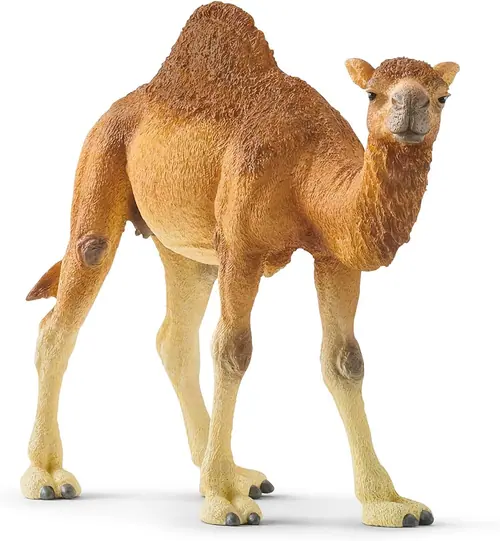
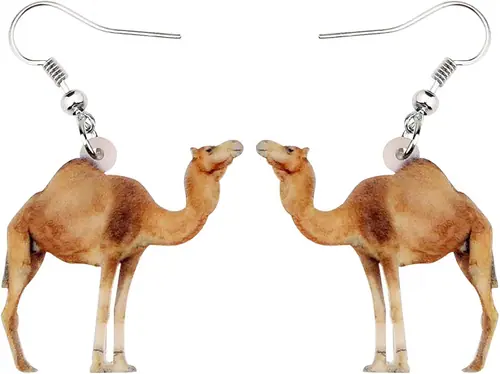
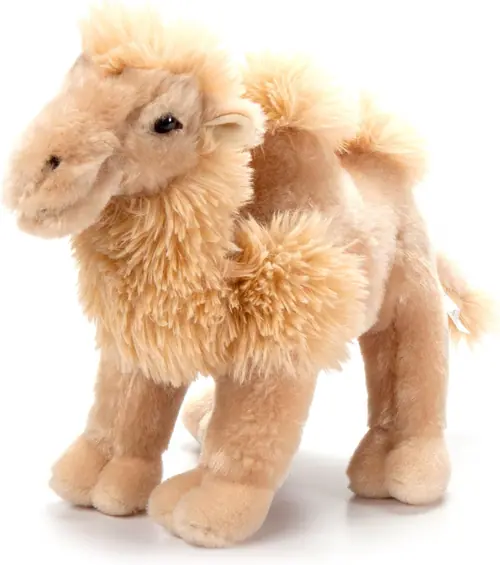
The simplest way to tell the two species apart is by counting humps: the dromedary, or Arabian camel, has one, while the Bactrian camel has two. Both humps store fat rather than water, providing a reserve of energy the camel can draw on when food is scarce.
Hot Deserts Versus Cold Steppe
Dromedaries are adapted to the hot, arid deserts of the Middle East, North Africa, and South Asia, while Bactrian camels evolved for the harsh, cold steppes and deserts of Central Asia, including Mongolia and northern China, where they endure freezing winters as well as scorching summers.
A Coat Built for Extreme Temperature Swings
Bactrian camels grow a thick, shaggy winter coat that they shed in large tufts as temperatures rise, an adaptation dromedaries don't need given their more consistently hot climate. This heavier coat helps Bactrian camels survive temperature swings that can range more than 100 degrees Fahrenheit between summer and winter.
Population and Conservation Status Differ Sharply
Dromedaries no longer exist in the wild — every one alive today is domesticated, though feral populations exist in places like Australia. Wild Bactrian camels, by contrast, still survive in small, critically endangered numbers in the Gobi Desert, making them one of the rarest large mammals on Earth, distinct from the far more common domesticated Bactrian camels kept by herders.