Fat, Not Water
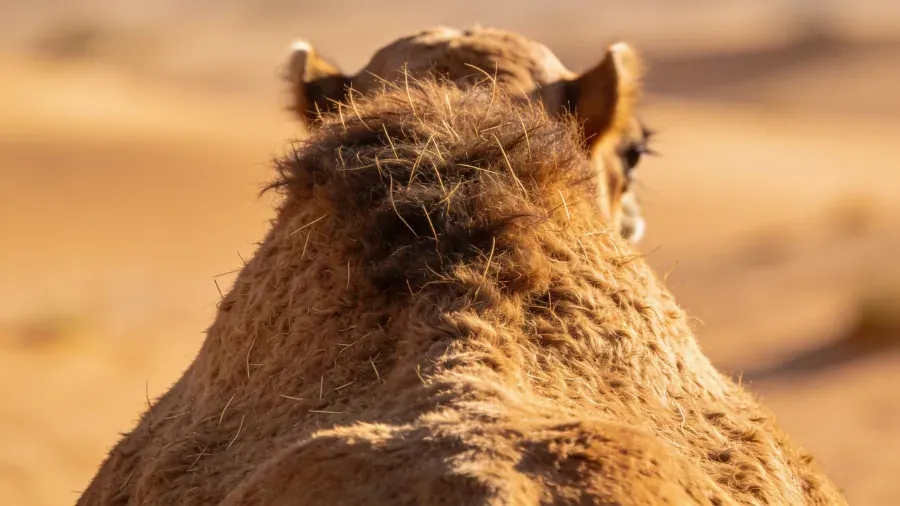
Contrary to popular belief, a camel's hump does not store water — it stores fat. A fully fueled hump can weigh up to 80 pounds and provides a concentrated energy reserve the camel can draw on over days or weeks when food is scarce, allowing it to travel long distances through barren terrain without eating.
A Hump That Shrinks and Sags
As a camel metabolizes the fat stored in its hump, the hump visibly shrinks and can flop over to one side, a clear sign that the animal has been without adequate food for some time. A well-fed camel's hump stands firm and upright, making the hump a useful visual gauge of the animal's nutritional condition.
Where the Water Really Comes From
Camels survive long stretches without drinking thanks to a combination of adaptations elsewhere in the body: oval-shaped red blood cells that keep blood flowing even when dehydrated, kidneys and intestines that reabsorb water efficiently, and the ability to tolerate body temperature swings and water loss that would be dangerous for most mammals.
Drinking Fast When the Chance Comes
When water is finally available, a severely dehydrated camel can drink around 30 gallons in just a few minutes, rapidly rehydrating its tissues without the dangerous swelling of red blood cells that would occur in most other mammals attempting to rehydrate that quickly.