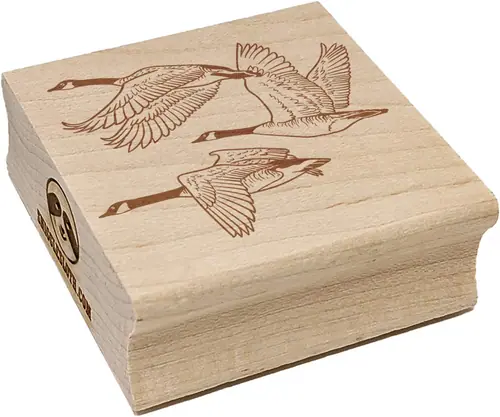
Birds · Anseriformes
Canadian Geese
Branta canadensis
Least Concern
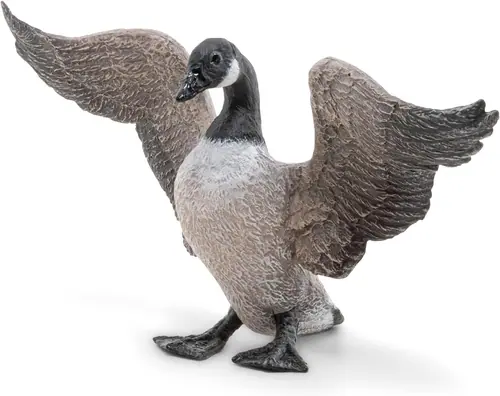
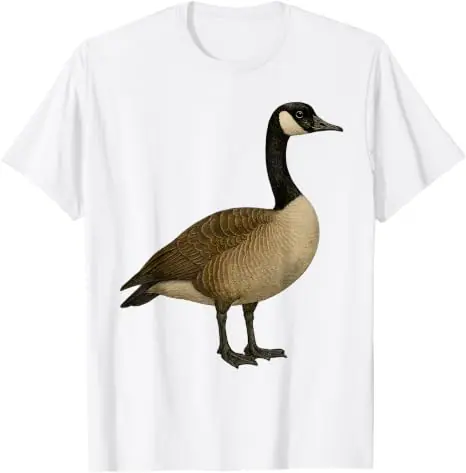
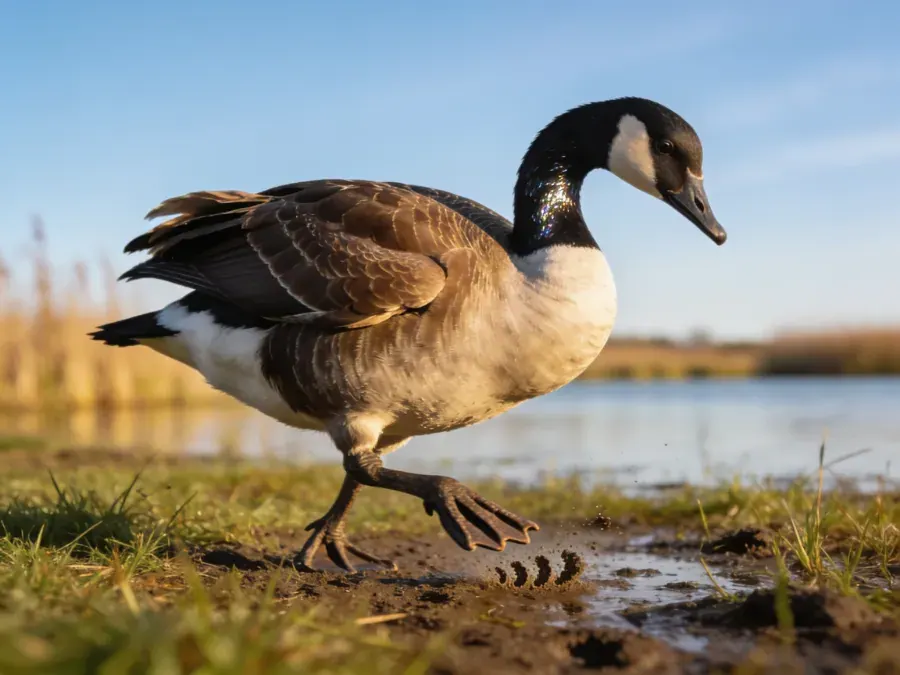
The Canada Goose is a wild goose belonging to the genus Branta, native to arctic and temperate regions of North America, with a black head and neck, white patches on the face, and a brownish-gray body. The specific epithet canadensis is a New Latin word meaning "from Canada."
Classification
Kingdom: Animalia
Phylum: Chordata
Class: Aves
Order: Anseriformes
Family: Anatidae
Genus: Branta
Species: canadensis
Canada Goose Subspecies
Atlantic Canada Goose
Branta canadensis canadensis
Interior Canada Goose
Branta canadensis interior
Giant Canada Goose
Branta canadensis maxima
Moffitt's Canada Goose
Branta canadensis moffitti
Vancouver Canada Goose
Branta canadensis fulva
Dusky Canada Goose
Branta canadensis occidentalis
Size
30 to 43 in. long; weigh 5 to 19 lbs; wingspan 50 to 73 in. wide. Males are approximately 10% larger than females.
Habitat
Found in North America, also northern Europe, eastern Siberia, eastern China, and throughout Japan.
Description
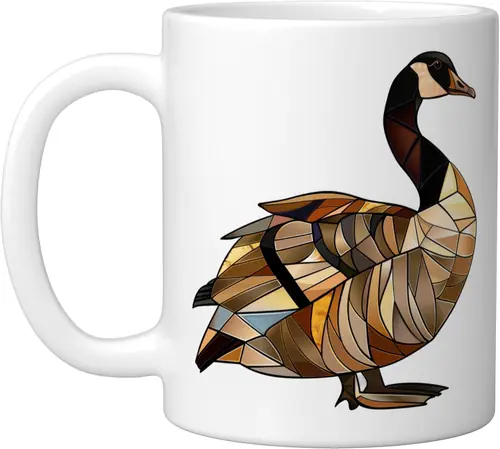
Large birds with a black head and neck, white patches on the face, and a brownish-gray body.
Behavior
Migratory birds that fly in a V-shaped pattern signaling the transitions into spring and autumn. Can be aggressive — will stand erect, spread their wings, hiss, charge and may bite when threatened.
Diet
Herbivores — green vegetation, aquatic plants, and grains.
Communication
Express displeasure through hissing and body language.
Hatching
Eggs hatch 24 to 28 days after they are laid.
Birth
Lay 3 to 8 eggs; both parents protect the nest while incubating.
Life Span
Between 10 and 24 years. Monogamous — most pairs stay together for life.
Social Structure
Protective of their young and form strong mating bonds.
Did You Know?
Just 50 geese can produce two and a half tons of excrement in a year!
Did You Know?
Canadian geese can fly a distance of 1,500 miles in just 24 hours.