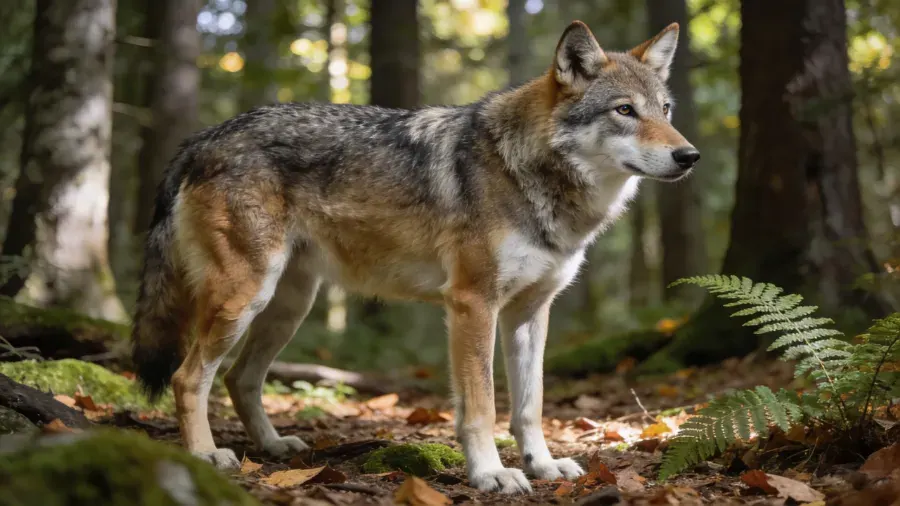
A Genus That Interbreeds More Than Most
Coyotes, gray wolves, red wolves, and domestic dogs are all closely related members of the genus Canis and are capable of interbreeding, producing viable, fertile offspring. This is unusual among distinct species and has led to significant genetic mixing across eastern North America in particular.
The "Coywolf" of the Northeast
Coyotes that expanded into the northeastern United States and southeastern Canada over the past century interbred with remnant wolf populations, producing what is often informally called the "coywolf." Genetic studies of these eastern coyotes have found that many individuals carry a meaningful percentage of wolf DNA, contributing to their notably larger size compared to western coyotes.
Domestic Dog Genes in the Mix
Genetic research has also detected small amounts of domestic dog ancestry in some eastern coyote populations, the result of occasional interbreeding between coyotes and dogs in areas where the two overlap. These hybrid offspring, sometimes called "coydogs," are less common than coywolves, in part because coyote breeding cycles don't always align well with those of domestic dogs.
A Genetic Mosaic Shaped by History
The end result is that many coyotes living in the eastern United States today carry a genetic mosaic of coyote, wolf, and dog ancestry, reflecting more than a century of shifting ranges and opportunistic interbreeding as wolf populations declined and coyotes expanded eastward to fill the ecological gap.