The Fastest-Growing Bone in the Animal Kingdom
Antlers are true bone, not the keratin that makes up horns, and they grow faster than any other bone tissue known in mammals — a buck’s antlers can add roughly a quarter inch of length in a single day during peak summer growth, powered by an enormous seasonal surge of blood flow and nutrients.
Velvet Is a Living Tissue, Not a Covering
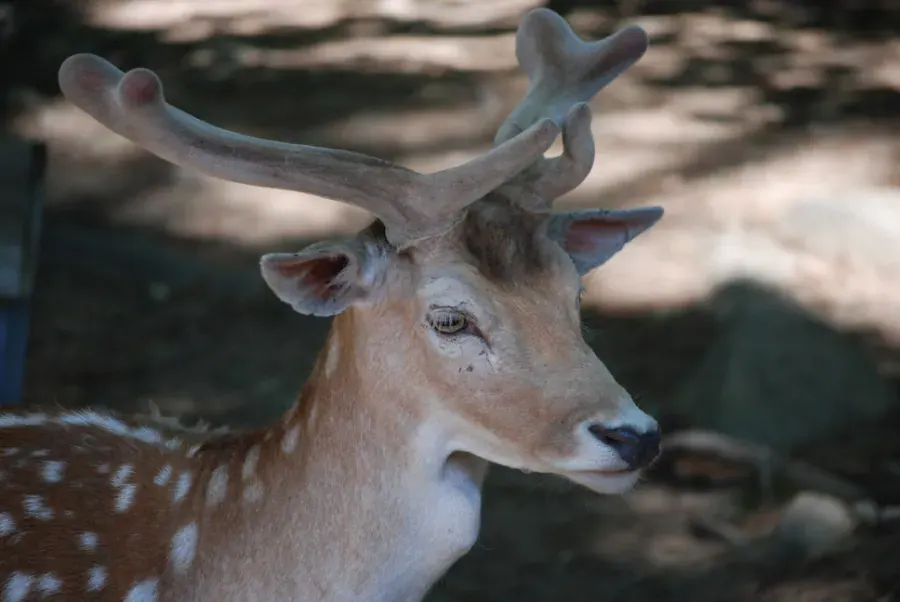
The soft, fuzzy "velvet" coating a growing antler is living skin, richly supplied with blood vessels and nerves, delivering the minerals and oxygen the antler needs to grow. Far from being numb or dead tissue, an antler in velvet is sensitive, and a buck is notably careful with it during summer.
Triggered and Ended by Daylight
Antler growth and shedding are governed primarily by changing day length, which regulates testosterone levels through the year. Rising testosterone in late summer causes the blood supply to the velvet to cut off, the velvet dries and is rubbed away against trees and brush, revealing the hardened bone beneath just before the autumn breeding season.
Shed and Regrown Every Single Year
Unlike horns, which are permanent, antlers are dropped entirely each winter — typically after the rut, once testosterone falls again — and regrow completely from scratch the following spring, an energetically expensive cycle repeated every year of a buck’s adult life.
Size Reflects Health More Than Genetics Alone
While genetics set an upper limit, antler size in any given year is heavily influenced by a buck’s age, nutrition and overall health during the growing season — which is why antler size can vary noticeably from year to year in the same individual depending on food availability and body condition.