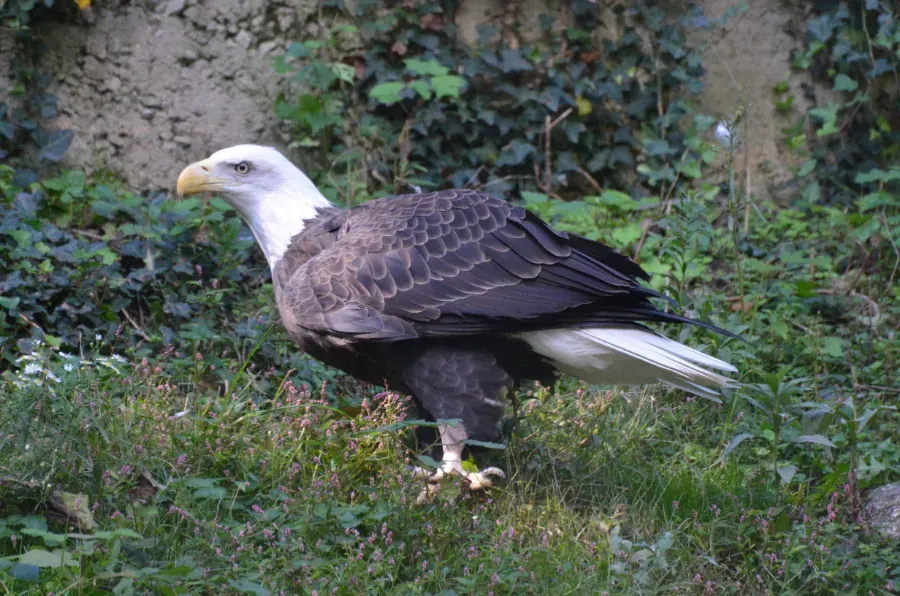
A National Symbol Nearly Lost
By the 1960s, the bald eagle population in the contiguous United States had crashed to fewer than 500 nesting pairs, driven largely by the widespread use of the pesticide DDT.
How DDT Nearly Wiped Them Out
DDT accumulated in fish, the bald eagle's main food source, and thinned the shells of eagle eggs so severely that many broke under the weight of incubating parents, collapsing reproduction rates.
The Ban That Turned Things Around
The U.S. banned DDT in 1972, and the bald eagle gained further protection under the Endangered Species Act, giving populations the room they needed to slowly begin recovering.
A Remarkable Comeback
By 2007, bald eagle populations had rebounded enough for the species to be removed from the U.S. endangered species list, with well over 300,000 individuals estimated in the lower 48 states today.
Ongoing Threats
Despite the recovery, bald eagles still face threats from lead poisoning, habitat loss and collisions with power lines and vehicles, requiring continued monitoring and protection.