Two Recognized Species
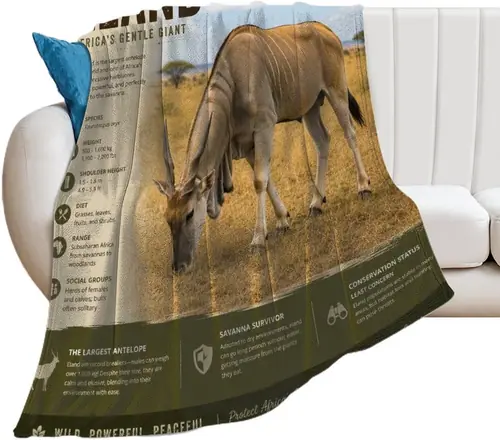
There are two species of eland: the common eland, widespread across East and Southern Africa's savannas, and the giant eland, found in smaller, more fragmented populations across the woodland savannas of West and Central Africa. Both belong to the genus Taurotragus and are the largest living antelope species by body mass.
The Giant Eland: Larger and Rarer
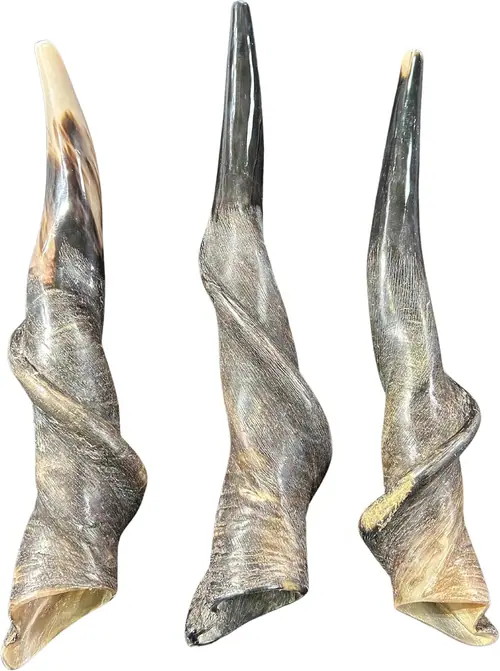
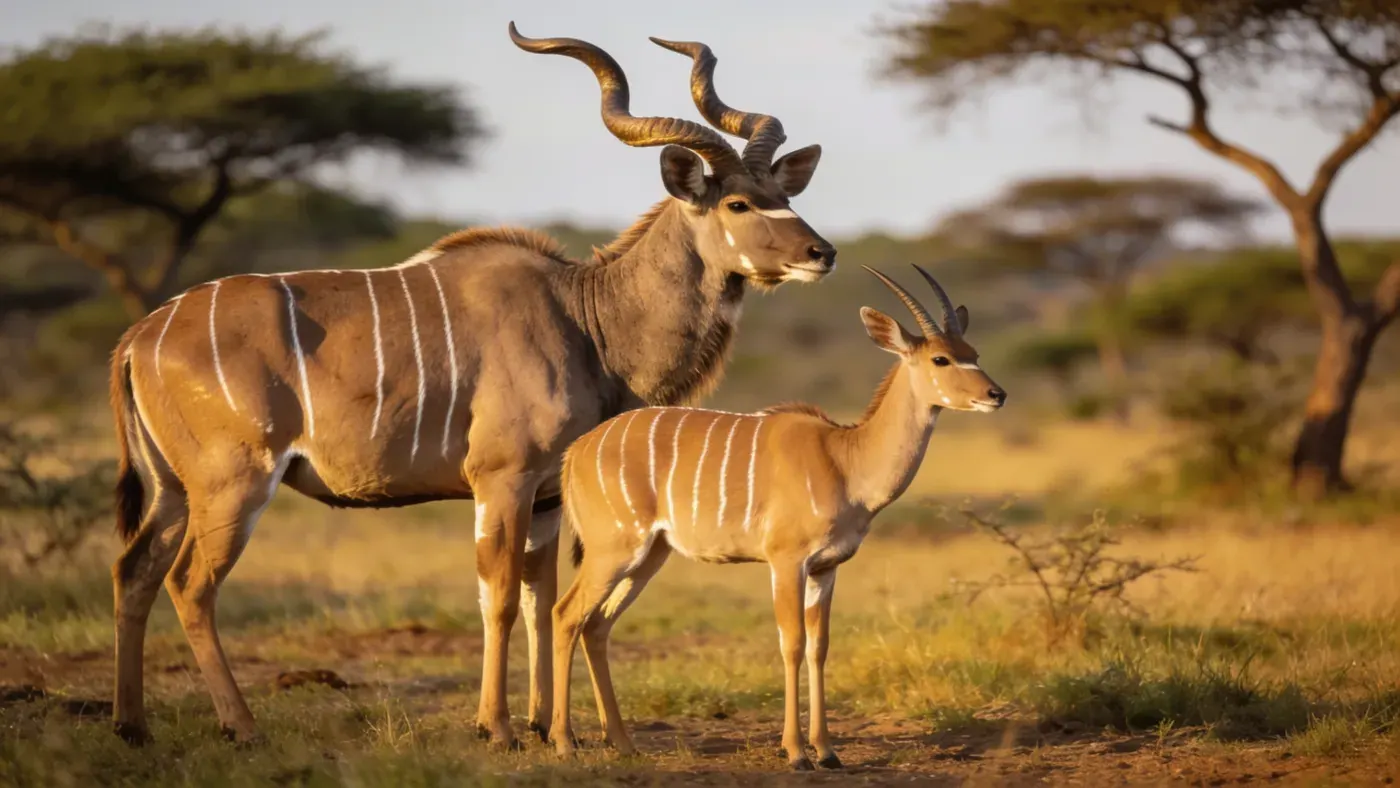
The giant eland is somewhat larger than its common cousin and has longer, more sharply spiraled horns and a darker chestnut coat marked with distinct white stripes. It is significantly rarer, with its western subspecies critically endangered due to habitat loss and hunting pressure.
The Common Eland's Wide Range
The common eland has a much broader range and healthier population overall, found across countries including Kenya, Tanzania, Botswana, and South Africa. Its coat color varies by subspecies and region, ranging from tawny to grayish, sometimes with faint vertical stripes that fade in older bulls.
Both Species Increasingly Farmed
Common eland are increasingly raised on game ranches for meat and hides, valued for their high-quality, low-fat meat and their ability to thrive on marginal land unsuitable for cattle. This growing agricultural interest has, in some regions, helped support conservation of wild eland populations as well.