Where to Find Them
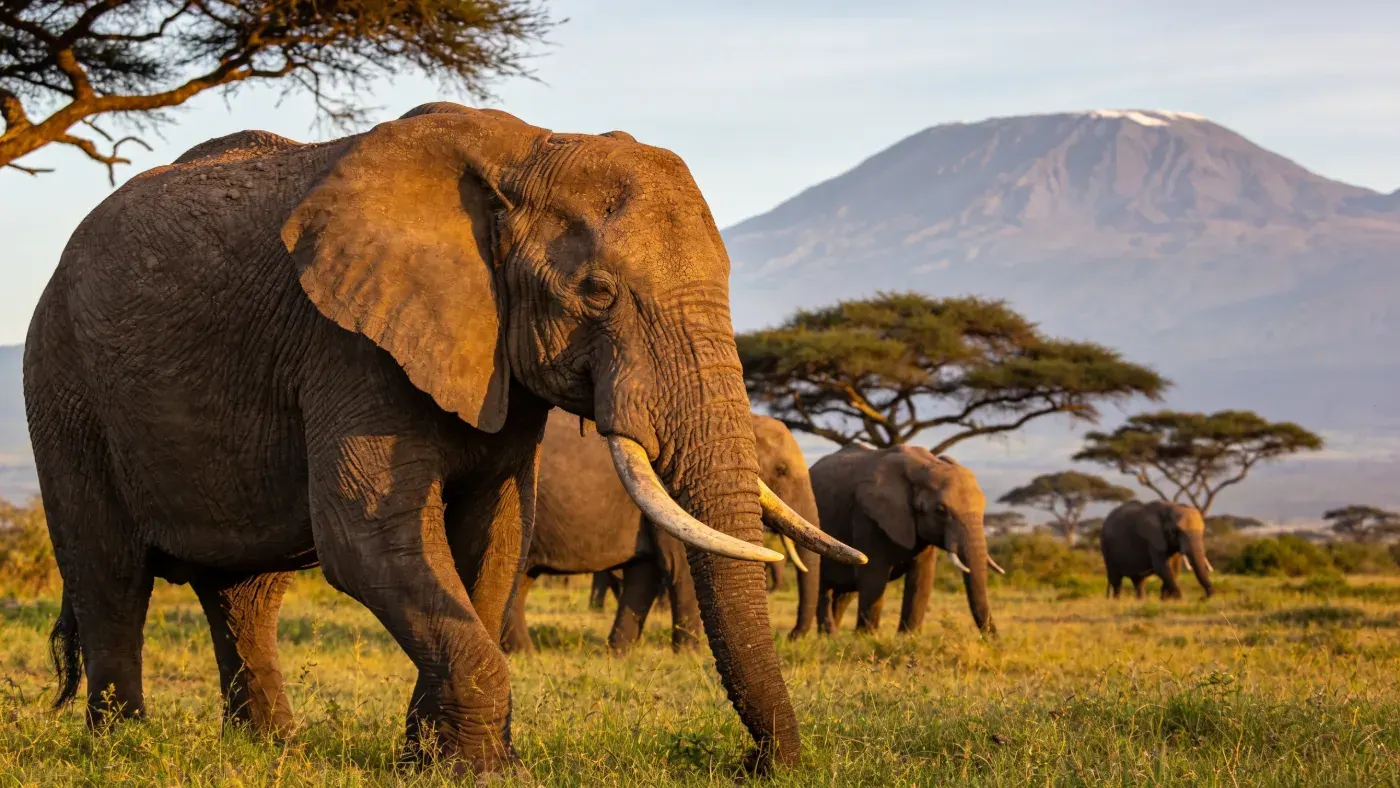
Tanzania holds specimens of nearly every wildlife species found on the African continent, and its elephants — the African bush elephant — roam the plains of the Ngorongoro Crater, Serengeti National Park, Tarangire National Park, and the Selous Game Reserve in small herds.
The Largest Land Animal on Record
Whether the African bush elephant and African forest elephant should be classified as one species or two remains debated among experts, though the high level of genetic difference between them inclines many toward treating them separately. The bush elephant is, without question, the larger of the two — and the largest land animal documented to date stood some 15 feet tall and weighed over 12 tons. Despite typically strolling at only about 6 kilometers per hour, a charging elephant can reach 40 kilometers per hour, far faster than any person can outrun.
A Larger Head for Long-Distance Calls
Tanzania's elephants are noticeably larger than the other two species, with a proportionately larger head — likely to house the chamber needed to process the long-wave, infrasonic frequencies elephants use to communicate across long distances.
Mourning Their Dead
Elephant herds display complex social behavior led by a matriarch who shows younger elephants the herd's water and food sources. When a member dies, the herd stays near the body for an extended period, touching it repeatedly with their trunks, and elephants have been observed acknowledging even unrelated elephant remains in the same way — behavior that has led some to speculate, particularly around the elephant caves found in Congo, that elephants may deliberately move or bury their dead.
The Real Threat
Elephants largely avoid interaction with other species; most predators steer clear of adults given their size and strength, though newborns remain vulnerable to leopards, crocodiles, lions, and hyenas. The far greater threat comes from humans — exploitation for tusks, skin, bones, and meat, compounded by worsening drought, has pushed the population to near-threatened status, though the shift from hunting to photographic safari tourism offers some reason for optimism.