Born Gray, Not Pink
Flamingo chicks hatch with gray or white down feathers — the vivid pink color that defines the adult bird develops gradually over their first few years of life.
Pigments From Their Food
The pink color comes from carotenoid pigments in the algae and small crustaceans flamingos eat — the same class of pigment that makes carrots orange and shrimp reddish when cooked.
Processed Internally
Once eaten, these carotenoids are broken down by the liver and deposited into growing feathers, skin and even egg yolks, giving the bird its distinctive rosy hue over time.
Diet Determines Depth of Color
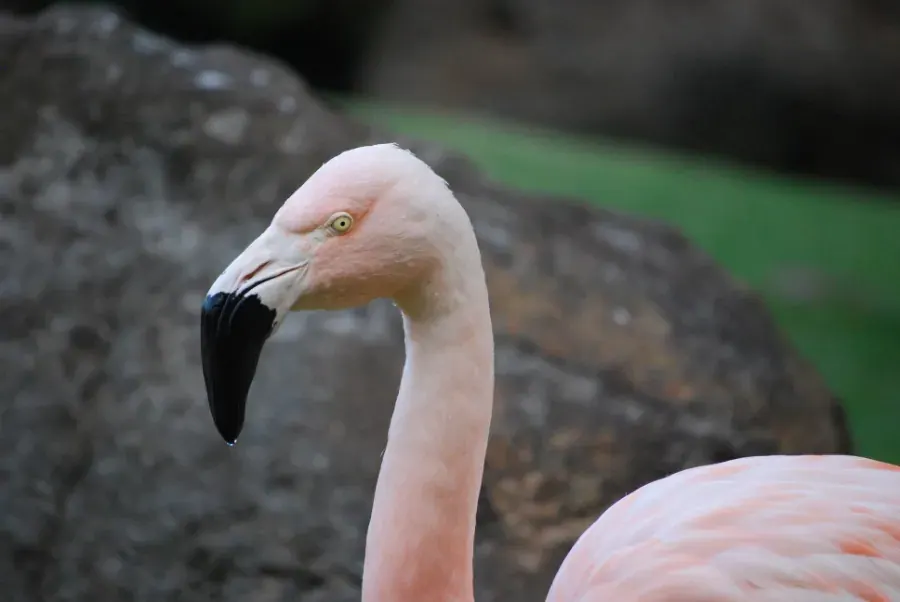
Wild flamingos with access to carotenoid-rich prey can develop deep, vivid pink or even reddish plumage, while flamingos with a less pigment-rich diet appear paler — captive flamingos historically needed supplements to stay vividly colored.
A Signal of Health
Because color depends directly on diet and foraging success, brighter pink plumage can signal a healthier, better-fed bird — a trait that may factor into mate selection within a colony.