Madagascar's Top Predator
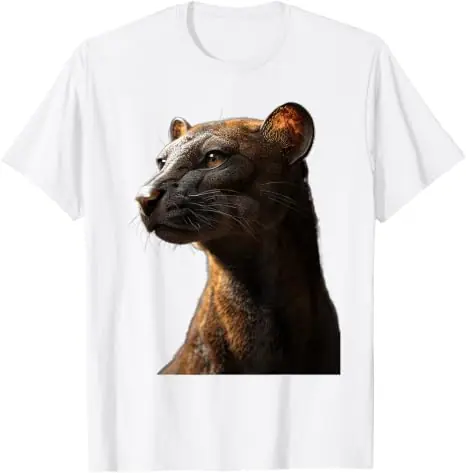
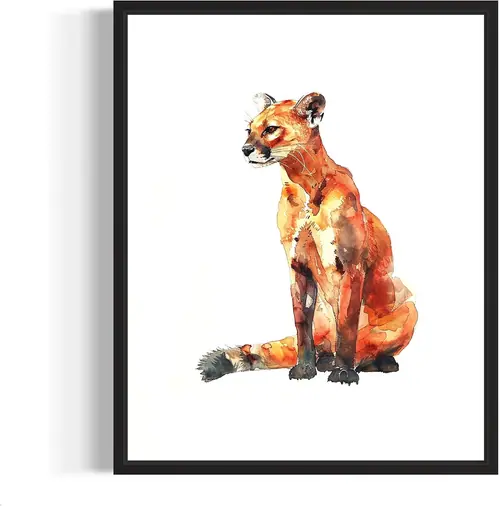
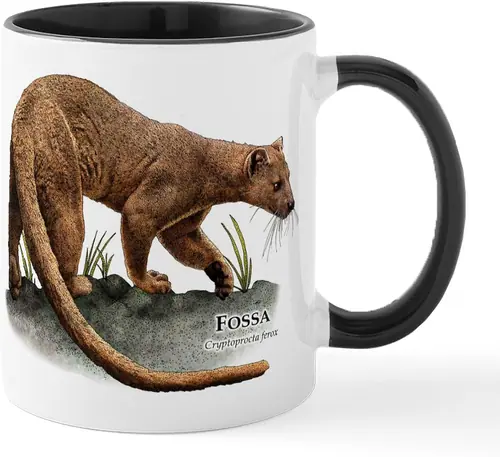
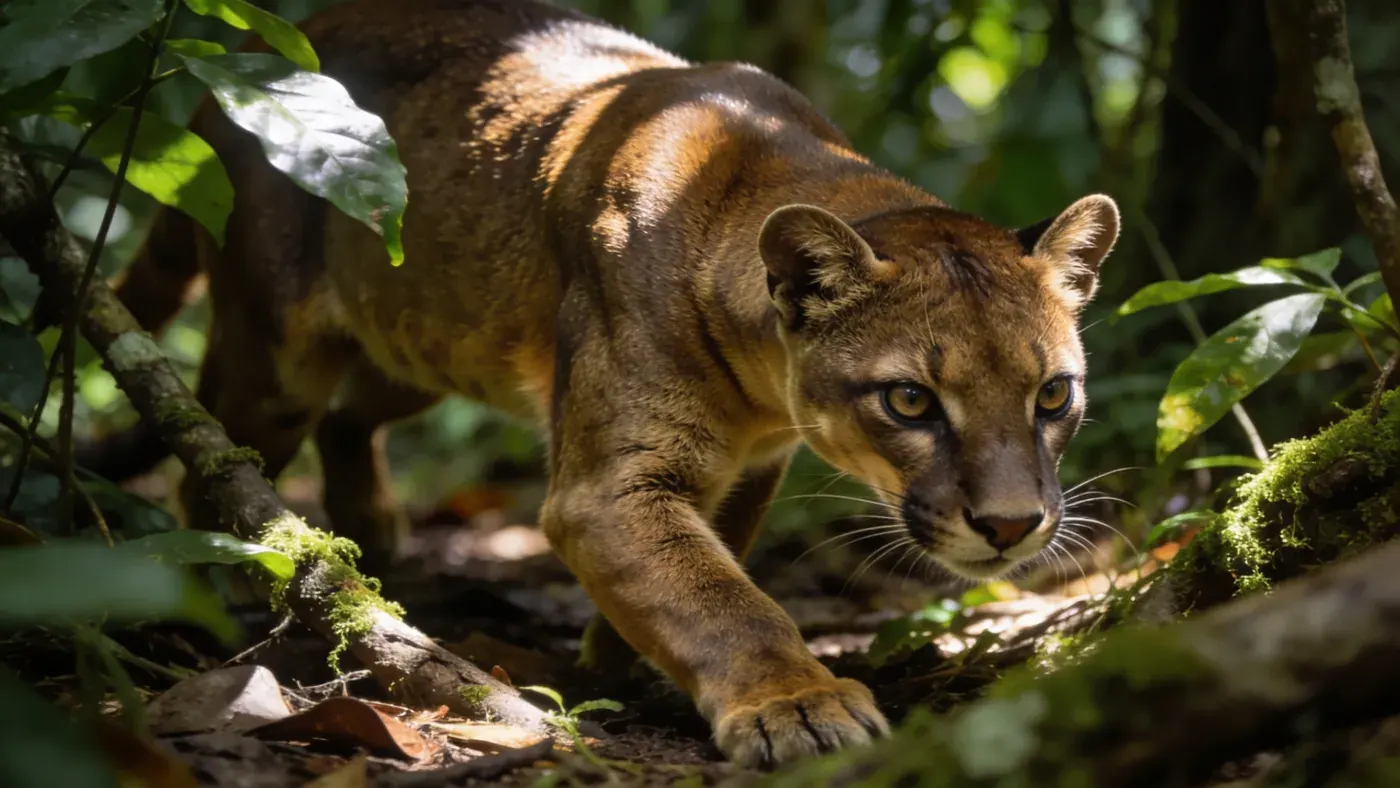
As Madagascar's largest carnivorous mammal, the fossa sits at the top of the island's food chain, with no natural predators of its own as an adult. Despite resembling a small cougar, the fossa is more closely related to mongooses, part of a family of carnivores unique to Madagascar.
A Diet Centered on Lemurs
Lemurs make up a significant portion of the fossa's diet, and the fossa is considered the primary natural predator of even the largest lemur species. It also hunts smaller prey including birds, reptiles, insects, and rodents, adjusting its diet based on what is available in a given part of the forest.
A Body Built for the Treetops
Semi-retractable claws, flexible ankles, and a long, muscular tail allow the fossa to move through the forest canopy almost as easily as on the ground, letting it pursue lemurs directly into the trees where most other predators cannot follow effectively.
Solitary Hunters Covering Large Territories
Unlike social predators that hunt in groups, fossas hunt alone across large home ranges that can span several square miles, using scent marking to track their territory and avoid unnecessary encounters with other fossas while searching for prey.