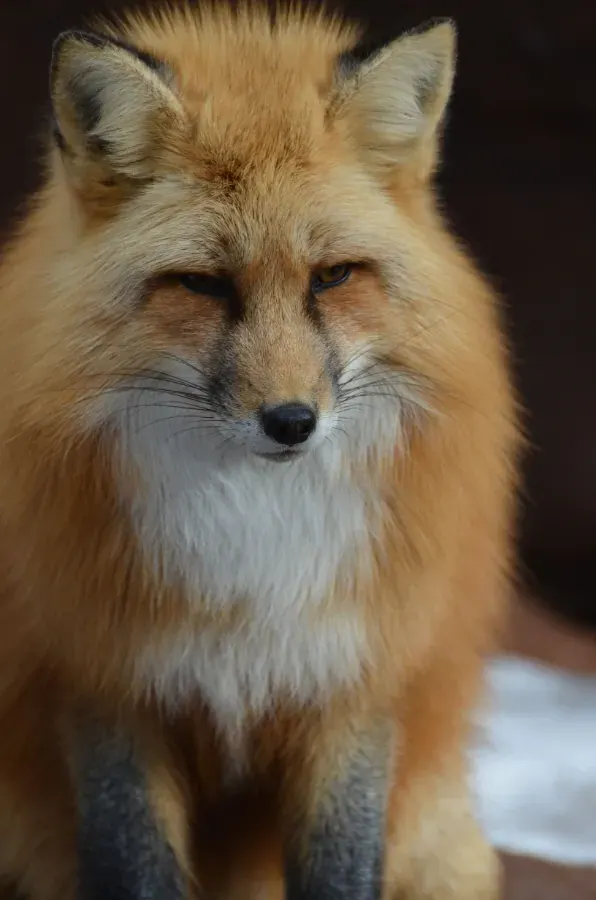
A sample of the genus Vulpes and where each is found.
Red fox
Vulpes vulpes. Nearly all of the Northern Hemisphere plus introduced Australia. The largest and most widespread true fox.
Arctic fox
Vulpes lagopus. Circumpolar Arctic tundra. Grows a pure-white winter coat and has the best cold tolerance of any canid, surviving temperatures below -50°F.
Fennec fox
Vulpes zerda. Sahara Desert, North Africa. The smallest fox species, with enormous ears that radiate excess body heat in extreme desert conditions.
Kit fox
Vulpes macrotis. Arid deserts and grasslands of the southwestern United States and Mexico. Small, large-eared and almost entirely nocturnal to avoid daytime desert heat.
Swift fox
Vulpes velox. Great Plains grasslands of North America. Nearly driven extinct by habitat loss and poisoning campaigns aimed at prairie predators; subject to an ongoing reintroduction program.
Tibetan sand fox
Vulpes ferrilata. High-altitude Tibetan Plateau. Distinctive square-shaped face adapted to the extreme cold and thin air above 10,000 feet.
Cape fox
Vulpes chama. Southern African savanna and scrubland. The only true fox native to sub-Saharan Africa.
Corsac fox
Vulpes corsac. Central Asian steppe and semi-desert. Migrates seasonally over longer distances than most fox species in response to prey availability.