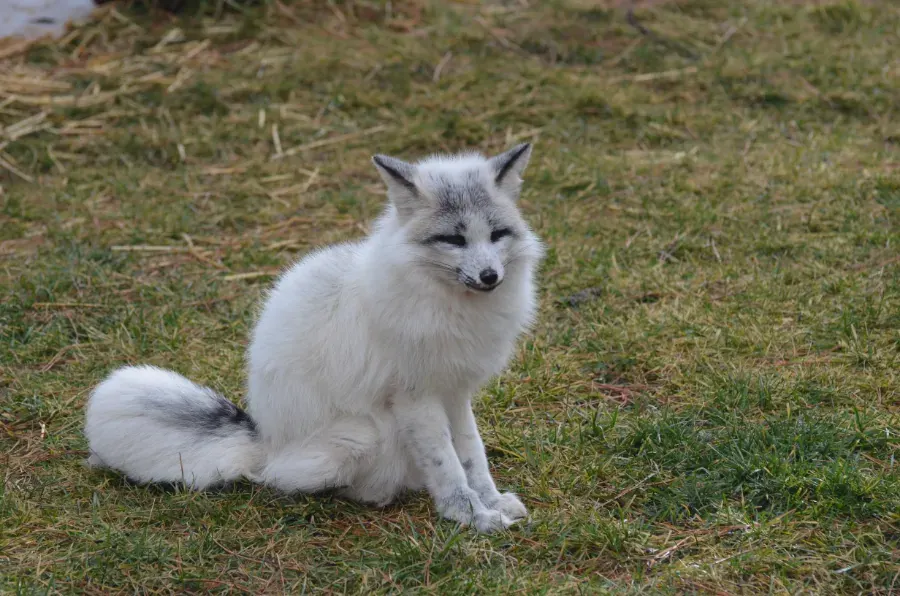
A Recognizable Silhouette
Foxes share a distinctive build across nearly all species: a long, slender body, a sharply pointed face, and a long, bushy tail — often called a "brush" — that can make up nearly half the animal’s total length.
Skilled Rodent Hunters
Most foxes prey heavily on rodents and other small mammals like rabbits, using quick reflexes and a keen ear for movement under grass or snow to pinpoint prey before pouncing.
An Exceptional Sense of Smell
A fox’s sense of smell is remarkably acute, letting it detect buried food, track prey across long distances, and pick up the scent markings left by other foxes in its territory.
Cubs Stay Close Early On
Fox cubs remain with their mother for several months after birth, during which time they learn to hunt, recognize territory boundaries, and develop the independence they’ll need to survive on their own.
Body Shape Follows Climate
Fox anatomy varies noticeably by environment: desert-dwelling species tend to have large ears and small, lean bodies to help shed heat, while foxes in colder climates have smaller ears and bulkier bodies that conserve warmth — a pattern seen across many animal groups and known as Allen’s rule.