Hearing Before Seeing
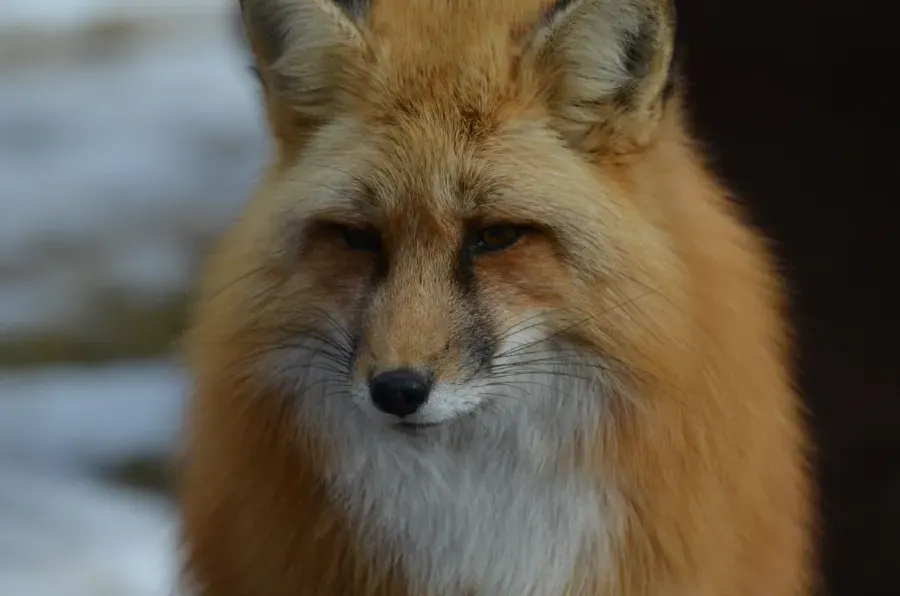
A fox’s hunting typically begins with sound rather than sight. Its large, mobile ears can detect the faint sounds of a rodent moving beneath a foot of snow or dense grass, letting it pinpoint prey it cannot yet see or smell — a level of acuity that has been compared favorably to some owl species.
The Mousing Pounce
Once a fox locates prey by sound, it performs a distinctive high, arcing leap — the mousing pounce — angling its body to drive its nose and forepaws down through snow or vegetation directly onto the target. The behavior is instantly recognizable and widely photographed, one of the most striking hunting displays among mid-sized carnivores.
A Possible Magnetic Sense
Research on foxes attempting the mousing pounce found a striking directional preference: successful pounces were dramatically more likely when the fox leapt toward magnetic north or south. The leading hypothesis is that foxes may perceive Earth’s magnetic field as a kind of visual overlay, using it to judge distance to unseen prey with unusual precision.
Solo, Not Pack, Hunters
Unlike wolves, red foxes hunt alone rather than cooperatively, relying on stealth, patience and a broad diet rather than group strategy to bring down prey — a hunting style suited to their comparatively small size and the small, scattered prey that makes up most of their diet.
Caching Food for Later
Foxes routinely bury surplus food in shallow holes across their territory, memorizing dozens of cache locations by smell and landscape features, and returning to them over following days — a practical strategy for an opportunist whose next meal is never guaranteed.