Nearly 200 Species in the Family Dendrobatidae
Poison dart frogs belong to the family Dendrobatidae, which includes nearly 200 species found in the rainforests of Central and South America. Not all species in this family are highly toxic — toxicity varies enormously depending on species and even population, largely tied to what the frogs eat in the wild.
The Golden Poison Frog: Most Toxic of All
The golden poison frog of Colombia is considered the most toxic amphibian on Earth, with enough poison in a single wild individual to potentially kill multiple adult humans. Indigenous Emberá people historically used the frog's toxin to coat the tips of blowgun darts, which is how the entire family got its common name.
Bright Colors as a Warning, Not Camouflage
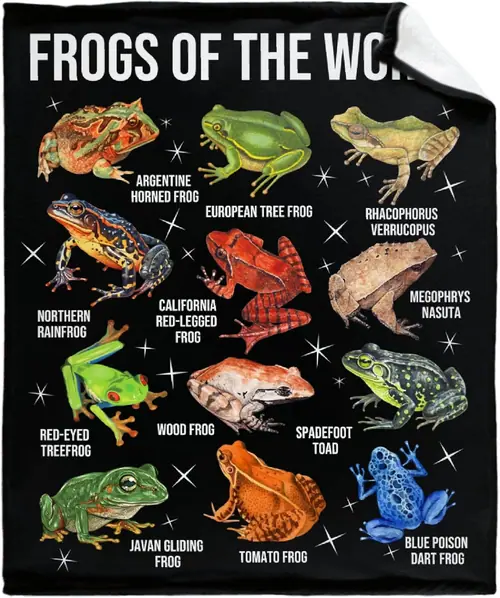
Unlike most frogs, which rely on camouflage to hide from predators, poison dart frogs display bold colors including electric blue, vivid red, and bright yellow to warn predators of their toxicity, a strategy called aposematism. Predators that learn to associate these colors with toxicity generally avoid poison frogs after just one encounter.
Toxicity That Depends on Diet
Poison dart frogs don't produce their toxins from scratch — they accumulate them from a diet of specific ants, mites, and other small invertebrates in the wild. Frogs raised in captivity on a different diet gradually lose their toxicity entirely, which is why captive-bred poison dart frogs sold as pets are generally harmless to handle.