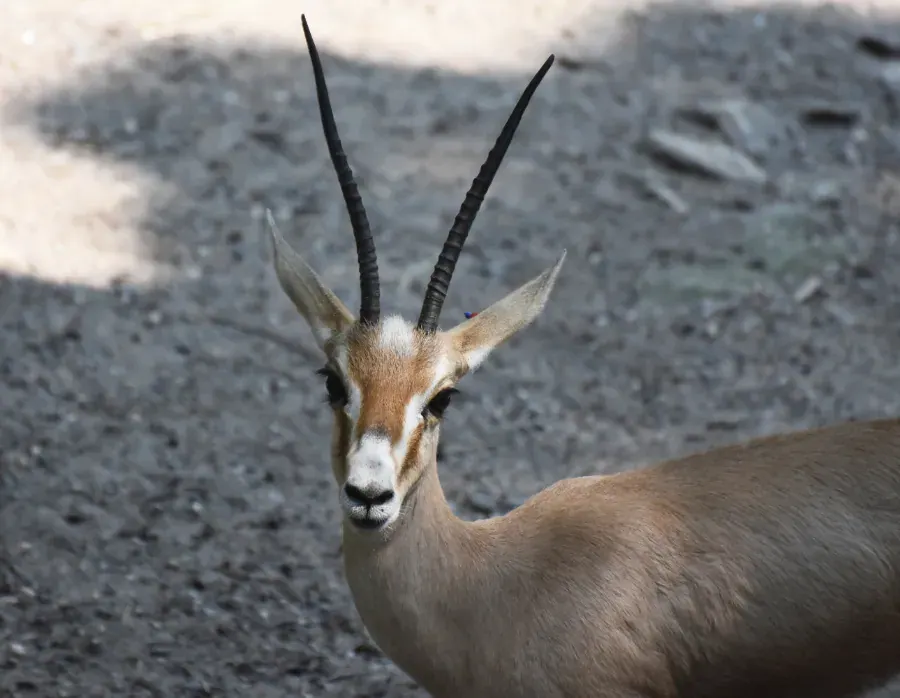
Herds Organized by Sex and Season
Gazelle herds are typically organized into female-and-young groups, bachelor herds of young or non-territorial males, and solitary territorial males that defend small breeding territories during the mating season. This structure shifts throughout the year as breeding conditions and resource availability change.
Following the Rains Across the Plains
Many gazelle populations follow seasonal migration patterns tied to rainfall, moving toward areas with fresh grass growth and away from regions parched by drought. In East Africa, gazelle often travel alongside the much larger wildebeest and zebra migration, benefiting from the safety of mixed-species herds.
Safety Through Mixed-Species Grazing
Gazelle frequently graze alongside zebra and wildebeest, a strategy that increases the number of eyes watching for predators and allows different species to key in on different threats. Zebra, for example, have strong eyesight for spotting predators, while gazelle rely heavily on hearing and smell, making the mixed herd more alert overall.
Territorial Displays Rather Than Fights
Male gazelle defending breeding territories often rely on visual displays, ritualized posturing, and scent marking from facial glands to signal ownership of an area, generally avoiding actual physical combat except when disputes escalate between closely matched rivals.