Two of the Most Common Grazers on the Plains
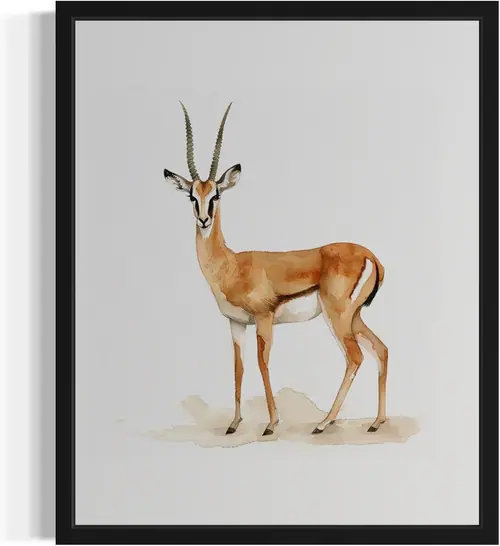
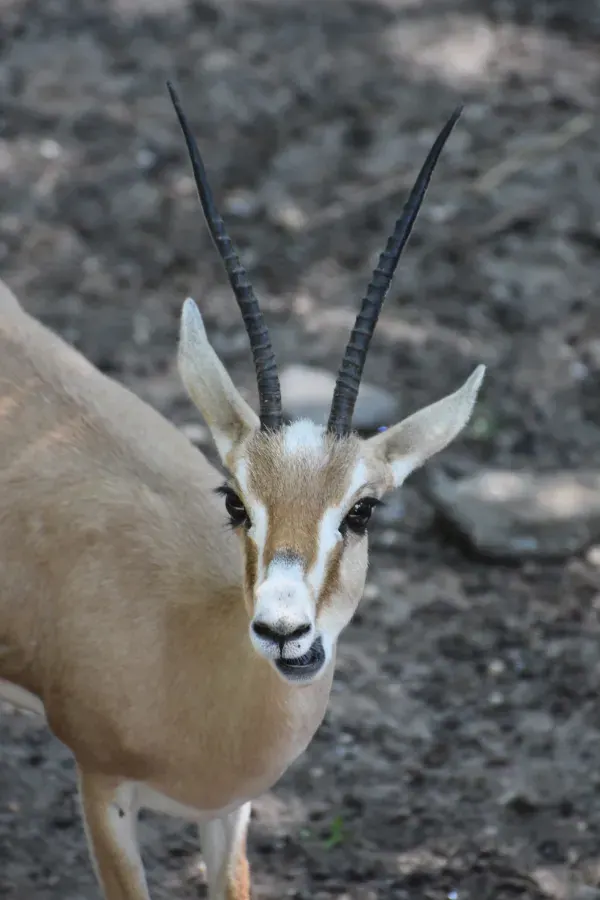
Thomson's gazelle and Grant's gazelle are two of the most abundant gazelle species on the East African plains, both commonly seen grazing side by side across the Serengeti and Maasai Mara ecosystems, often mingling with wildebeest and zebra during the annual migration.
Distinguishing the Two by Size and Markings
Grant's gazelle is noticeably larger than Thomson's gazelle and lacks the bold black side stripe that runs along the flank of most Thomson's gazelles. Grant's gazelle also has a distinctive white rump patch that extends higher onto its back, visible even at a distance and useful for herd members to follow one another while fleeing predators.
Different Water Dependency
Grant's gazelle can survive much longer without drinking water than Thomson's gazelle, allowing it to range farther from permanent water sources during dry periods. Thomson's gazelle, by contrast, tends to stay closer to water and shows more pronounced seasonal migration patterns tied to rainfall and grass growth.
Both Species Face Heavy Predation
As two of the most numerous medium-sized grazers on the plains, both species serve as key prey for cheetahs, lions, leopards, and wild dogs. Their high reproductive rate and large population numbers help sustain these predator populations while maintaining stable gazelle numbers overall.