Two Species, Four Subspecies
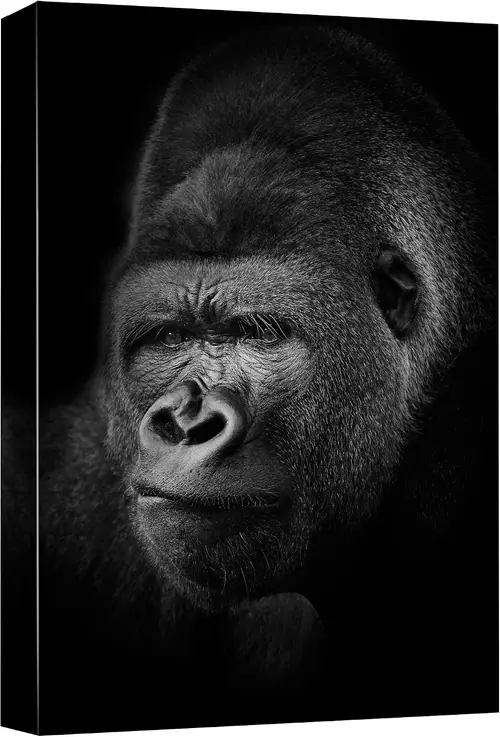
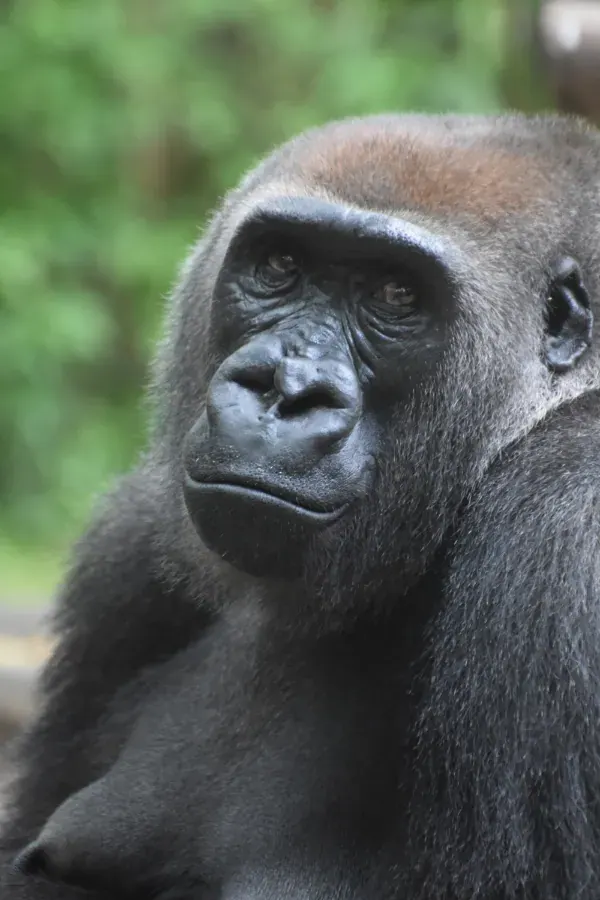
Gorillas are split into two species — the western gorilla and the eastern gorilla — each further divided into two subspecies. Western lowland gorillas are the most numerous and the ones most commonly seen in zoos; Cross River gorillas are the rarest subspecies of all. Eastern gorillas include the mountain gorilla and Grauer’s gorilla, the largest living primate by body mass.
Built for Strength, Not Speed
An adult male gorilla, or silverback, can weigh up to 485 pounds in the wild and possesses roughly four to nine times the upper-body strength of an adult human relative to size, though gorillas rarely need to demonstrate it — most conflicts are settled through display and posturing rather than physical fighting.
Mostly Vegetarian
Despite their bulk, gorillas eat almost entirely plants: leaves, stems, shoots, bark and fruit, with occasional insects. An adult male can consume 40 to 50 pounds of vegetation a day, and this diet, along with a largely sedentary daily rhythm, is what supports such a large body without hunting.
A New Nest Every Night
Every gorilla, from infants old enough to leave their mother’s side to the silverback himself, builds a fresh nest of bent and interlaced branches each evening — on the ground for adults, in trees for the young and lighter members of the group — and abandons it the next morning.
Closer to Us Than Most People Realize
Gorillas share around 98 percent of their DNA with humans, and studies of captive gorillas, most famously Koko, have documented the use of hundreds of signs from American Sign Language, self-recognition in mirrors, and apparent grief responses to the death of companions.