A Reputation Backed by Evidence
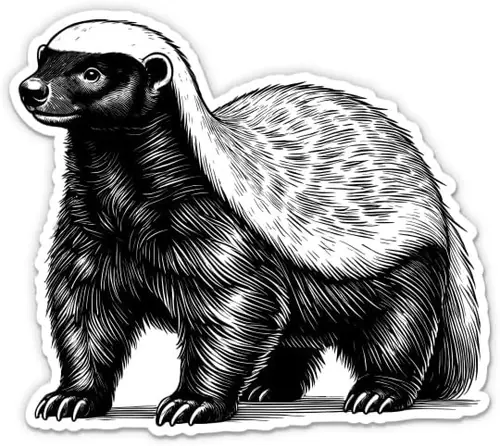
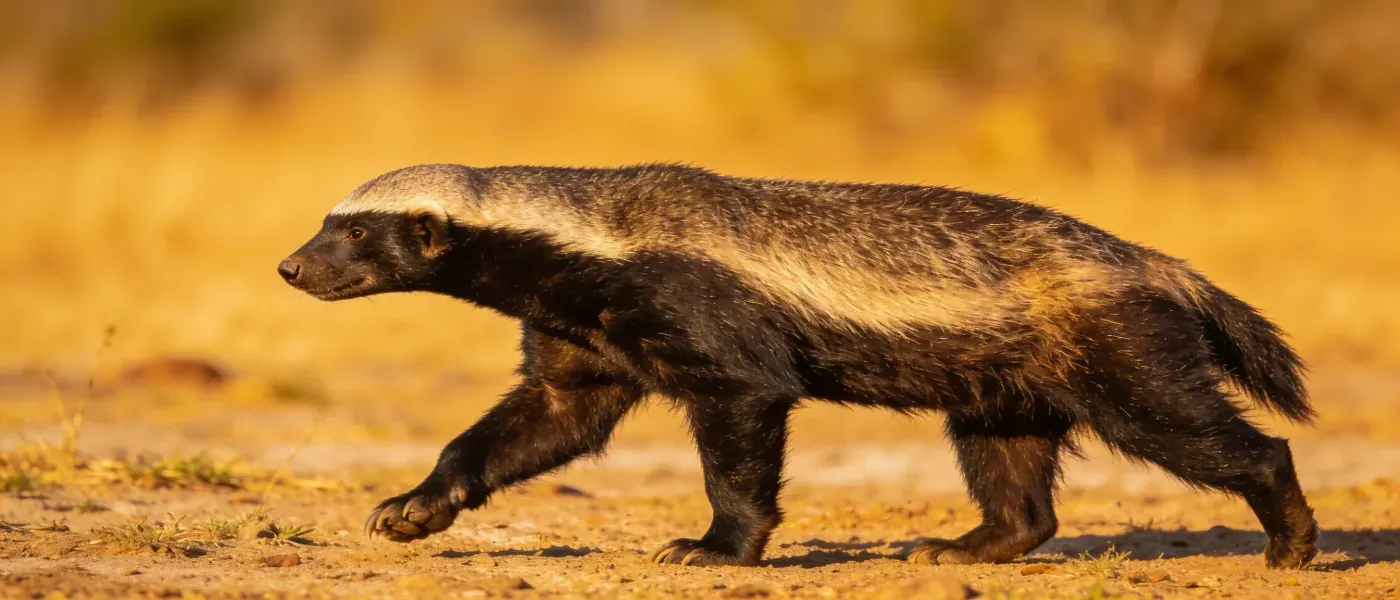
The honey badger's fearsome reputation isn't internet exaggeration — researchers and wildlife photographers have documented honey badgers standing their ground against lions, hyenas, jackals, and even fending off attacks that would send most animals of similar size fleeing immediately. Rather than running, a threatened honey badger typically raises its mane-like back fur, hisses and screams loudly, and charges directly at whatever is threatening it.
Armor That Actually Works
Much of that confidence is backed by real physical defenses. Skin roughly a quarter-inch thick provides genuine protection against bites, stings, and quills, and because that skin is only loosely attached to the muscle beneath, a honey badger gripped by a predator can twist around inside its own hide to bite back — a defense that has famously let honey badgers escape the jaws of leopards and even lions.
Targeting Sensitive Areas
When cornered, honey badgers are known to aim bites at especially sensitive areas of a larger attacker, a tactic that has been documented driving off animals many times their size. This combination of tough armor, a flexible hide, and a willingness to fight rather than flee gives the honey badger disproportionate leverage in confrontations it should, on paper, lose.
Not Actually Invincible
Despite the reputation, honey badgers are not indestructible — lions and leopards do occasionally kill them, and a sufficient dose of snake venom can still be fatal. What sets the honey badger apart isn't invulnerability but its extreme willingness to fight through pain and risk that most other animals its size would never accept, a behavioral trait as important to its survival strategy as any physical adaptation.