Not an Endangered Animal
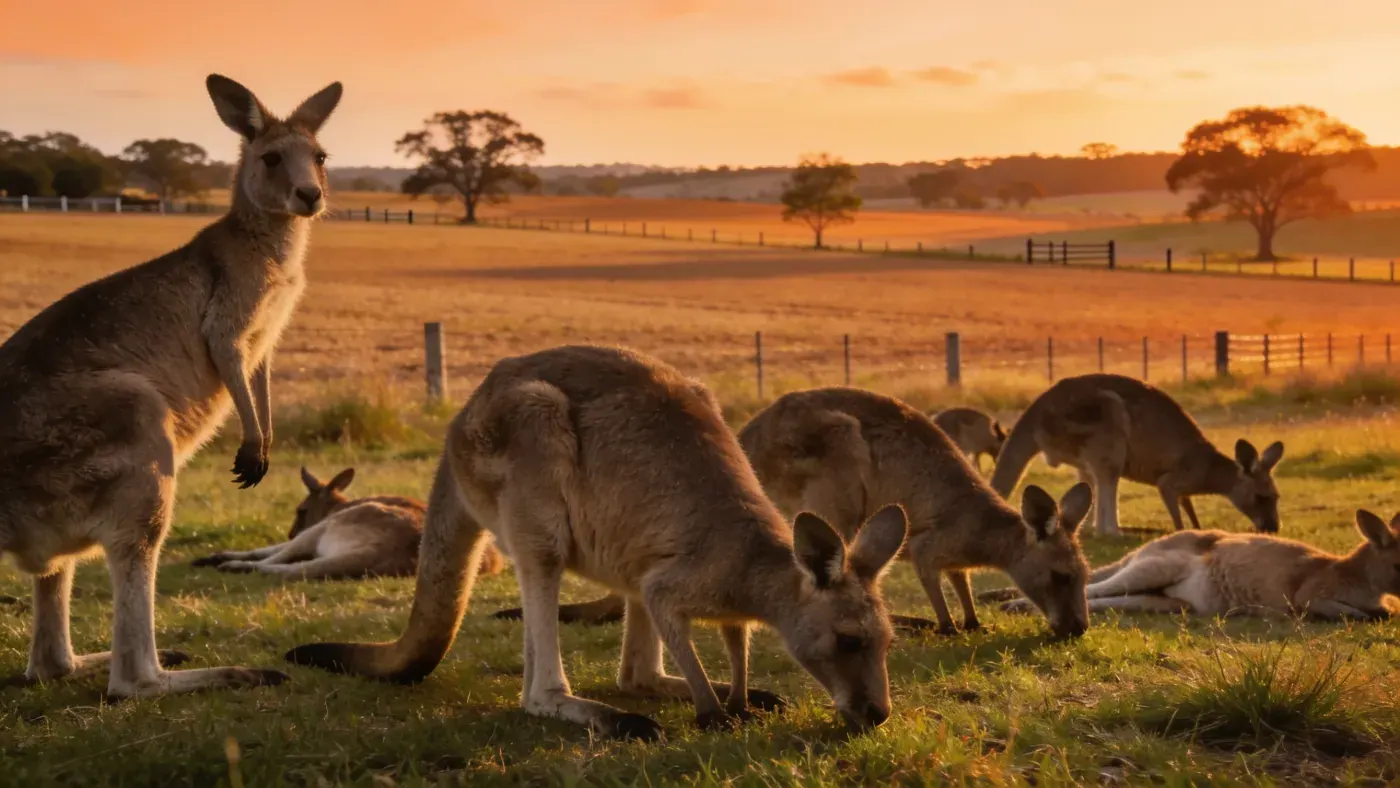
Unlike most species covered on this site, none of the four true kangaroo species is threatened — all are listed as Least Concern, with combined populations estimated in the tens of millions. In many parts of Australia, kangaroo numbers have actually increased since European settlement, aided by artificial water sources for livestock and the clearing of forest into more favorable open grassland.
A Genuinely Unusual Conservation Story
Kangaroo conservation debates center less on preventing extinction than on managing abundance. Large populations can strip pasture during drought, damage crops, and compete with livestock for grazing, and several states run regulated commercial and non-commercial culling programs intended to keep populations within what the land can sustainably support.
A Genuine Controversy
Commercial kangaroo harvesting for meat and hide, conducted under government quotas, remains one of the more contested wildlife management practices in Australia. Supporters argue it is a sustainable, science-based industry that keeps populations in balance with a fragile arid landscape; critics raise animal welfare concerns about field-based culling methods and dispute some population estimates used to set quotas.
Vehicle Collisions
Because kangaroos are so numerous and range so widely, vehicle strikes are a leading cause of individual mortality and a genuine road safety issue in rural Australia, prompting widespread use of "roo bars" on vehicles and dusk-and-dawn driving advisories in kangaroo-dense regions.
Localized Threats Do Exist
While the four major species are secure, some smaller, less familiar relatives in the broader kangaroo and wallaby family — several rock-wallaby species in particular — face genuine, serious decline from habitat loss and introduced predators, a reminder that "kangaroo" as a family covers a wider range of conservation outcomes than the four common species suggest.