A Wide Range in Retreat
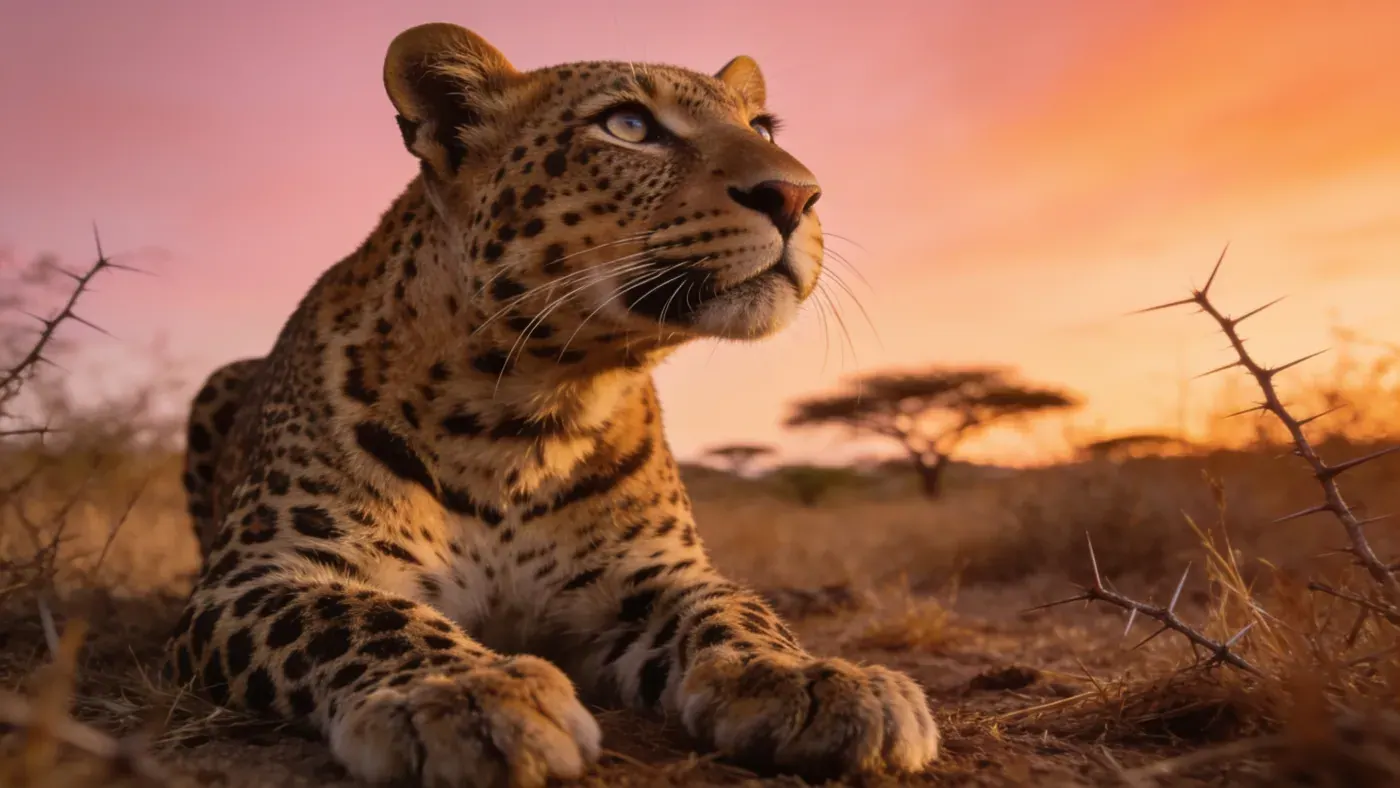
The leopard’s adaptability has helped it survive where other big cats have vanished, but the species has still lost an estimated 60 to 75 percent of its historic range. Several regional populations — the Amur leopard of the Russian Far East, the Arabian leopard, and Java’s leopard population among them — are now critically endangered, even while the species overall retains its Vulnerable listing rather than a higher threat category.
Conflict at the Edges
Because leopards persist closer to farmland and settlements than other big cats, they are also the big cat most frequently involved in conflict with people over livestock. Retaliatory killing is a leading cause of death across much of the range, and it falls hardest on the fringe populations already reduced to small, isolated numbers.
The Skin and Bone Trade
Leopard pelts have long been targeted for the illegal wildlife trade, and increasingly the species’ bones are substituted in traditional medicine markets that once relied on tiger bone, as tiger numbers have fallen and enforcement against the tiger trade has tightened — shifting pressure onto a species with its own already-declining populations.
The Amur Leopard
The Amur leopard subspecies, native to the temperate forests of the Russian Far East and northeast China, is the most acute case in the family: fewer than 100 individuals are estimated to survive in the wild, making it one of the rarest big cats on Earth. Coordinated protection between Russia and China, including a dedicated national park, has produced a slow but real increase from a population that once numbered as low as 30.
What Recovery Requires
Because leopards range widely and use a huge diversity of habitat, conservation strategies increasingly favour protecting corridors between reserves rather than isolated parks alone, alongside compensation schemes for livestock losses and stronger enforcement against the pelt and bone trade. The leopard’s flexibility is an asset conservation efforts are trying to preserve, not fight against.