An Ambush Predator, Not a Chaser
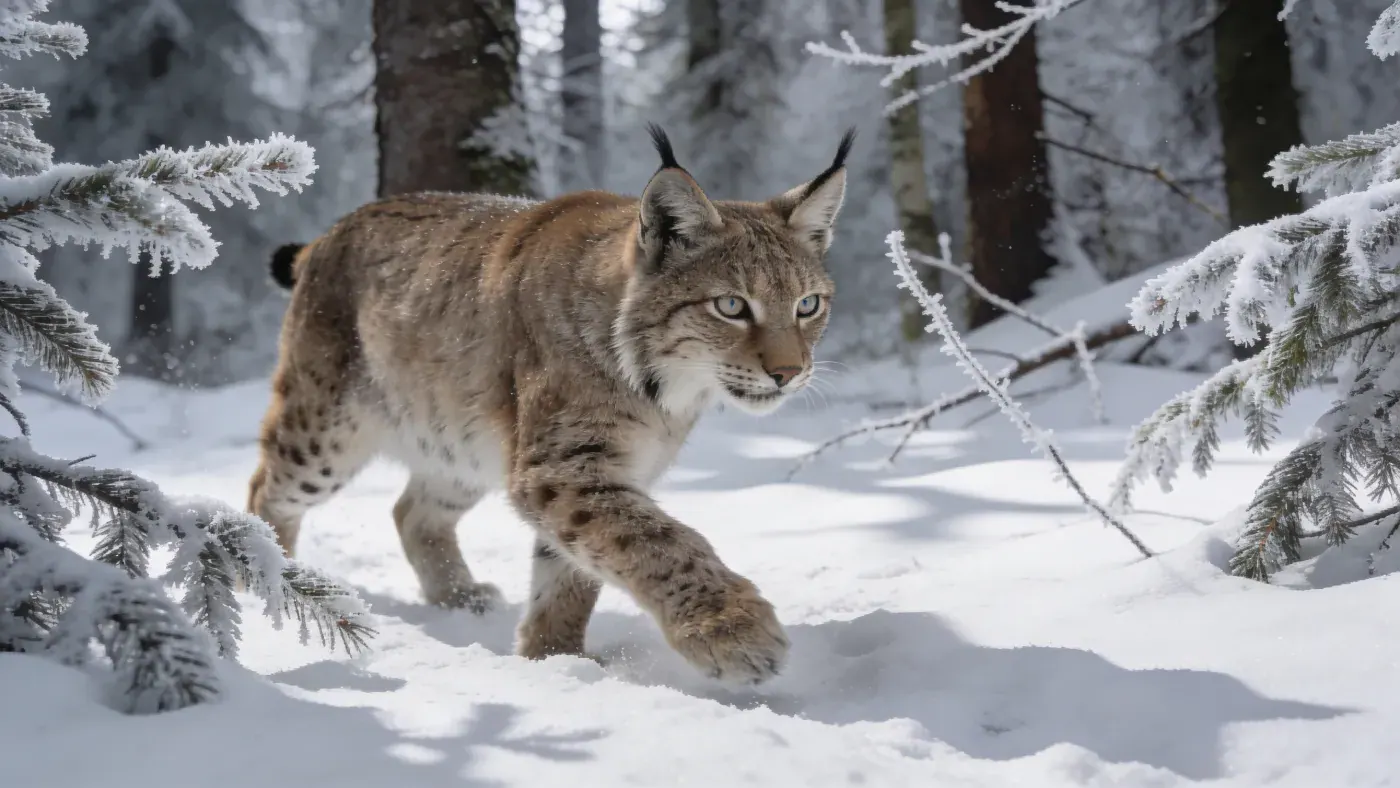
Lynx hunt primarily through stealth and ambush, stalking prey slowly through dense cover before launching a short, powerful pounce, rather than relying on long chases across open terrain.
A Coat That Disappears Into Snow and Shadow
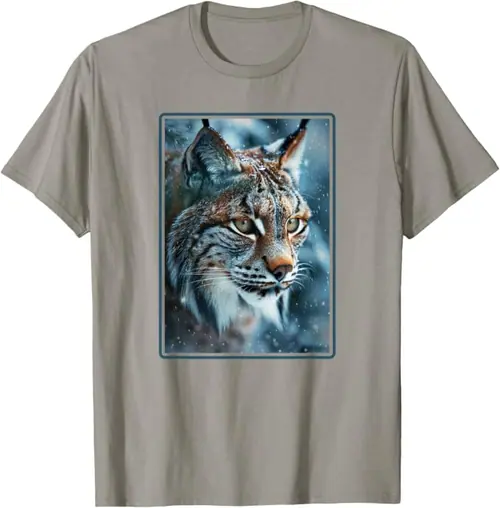
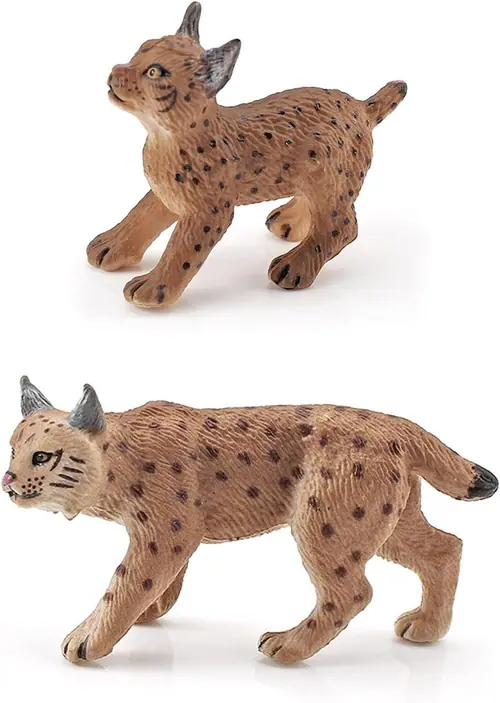
A lynx's mottled gray-brown coat, sometimes with faint spotting, blends effectively into the dappled light of forest understory and, in northern populations, against snow-covered terrain, making it difficult for prey to spot the cat before it strikes.
Oversized Paws Built for Snow
The lynx's large, well-furred paws act like natural snowshoes, distributing its weight over a wider surface area and allowing it to move across deep snow far more easily than heavier competitors or prey, giving it a significant hunting advantage in winter.
Exceptional Night Vision and Hearing
Lynx have some of the sharpest low-light vision of any cat, able to spot prey in near darkness, combined with acute hearing enhanced by their distinctive tufted ears, which some researchers believe help funnel sound toward the ear canal.