A Solitary Existence Outside Breeding Season
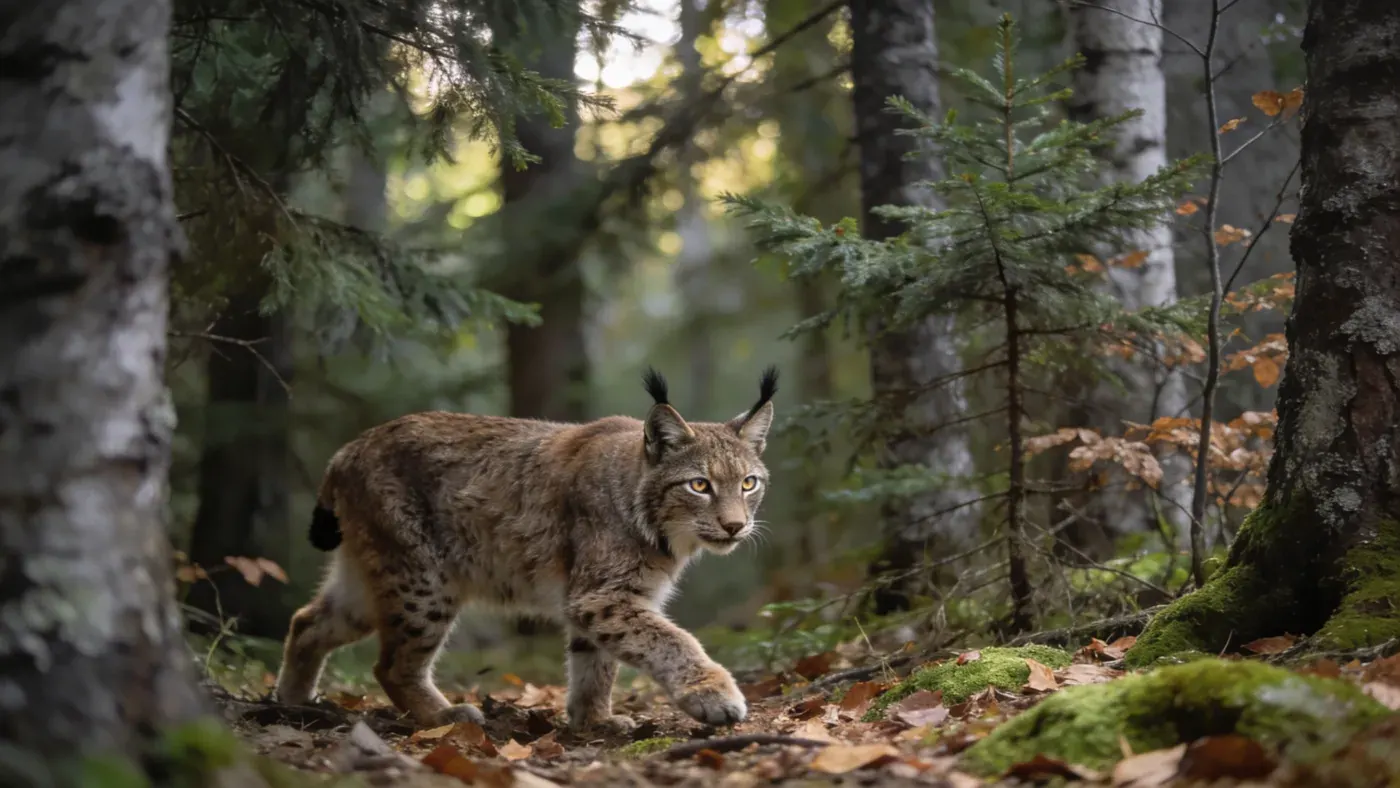
Lynx are solitary animals for most of the year, coming together only briefly during the breeding season. Outside of this period, adults actively avoid direct contact with one another, communicating largely through scent rather than face-to-face interaction.
Territory Size Tied to Prey Availability
A lynx's home range can vary enormously, from under 10 square miles to well over 100, depending heavily on the local abundance of its primary prey. In regions where snowshoe hare populations cycle dramatically, lynx territories can expand significantly during hare population crashes.
Scent Marking Instead of Direct Confrontation
Lynx mark their territory boundaries using urine, feces, and scent from glands, allowing individuals to communicate their presence to others without needing to meet directly, a strategy that reduces the risk of injury from unnecessary conflict.
Overlapping Ranges Between Males and Females
While male lynx generally avoid overlapping with other males, a male's territory often overlaps with the smaller home ranges of several females, a pattern similar to territorial structures seen in other solitary wild cats.