The Order Named for Mythical Sirens
Manatees and their relatives belong to the taxonomic order Sirenia, named after the Sirens of Greek mythology, whose alluring songs were said to lure sailors to their doom. The name reflects centuries of association between these marine mammals and mermaid folklore.
Christopher Columbus's Famous "Mermaid" Sighting
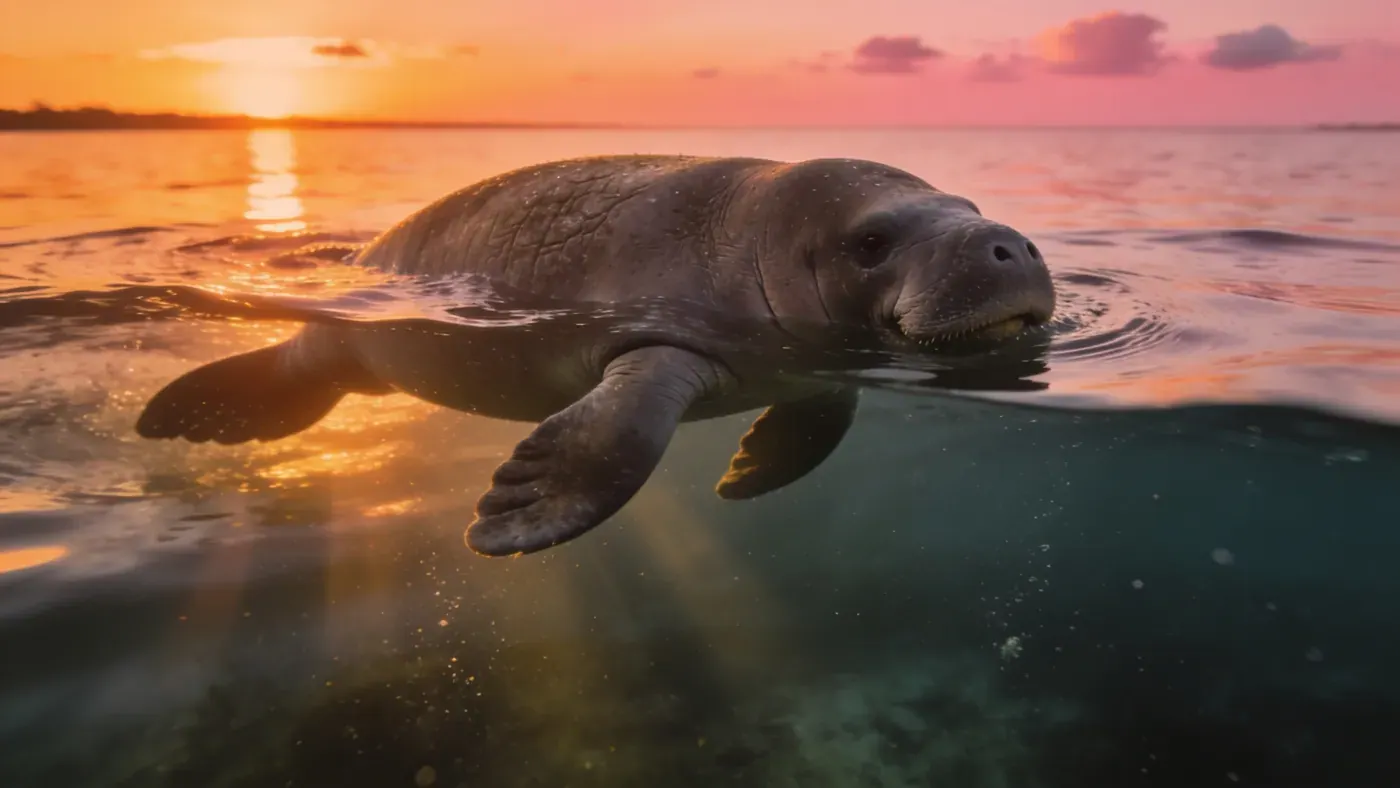
Christopher Columbus reportedly recorded seeing "mermaids" during his voyages, a sighting many historians believe was actually a manatee or similar sirenian glimpsed from a distance, its humanlike torso shape and habit of surfacing partially visible above the waterline.
Why Manatees Were Mistaken for Mermaids
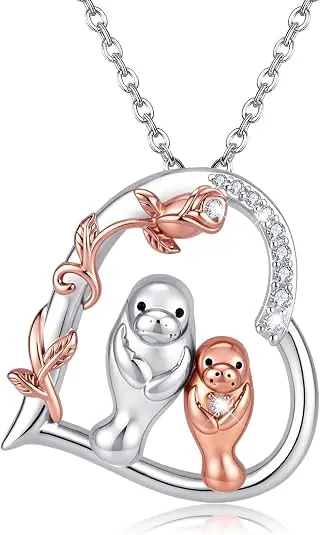
Manatees nurse their young while holding them with a flipper against their chest, a posture that, glimpsed briefly at the surface, can resemble a human mother cradling a baby. Their rounded heads and expressive faces likely contributed further to sailors' mermaid interpretations across centuries of maritime folklore.
A Legend That Still Shapes Their Nickname
Manatees are still affectionately nicknamed "sea cows" for their slow, grazing lifestyle, but their older mermaid association persists in popular culture, tourism branding, and place names across Florida and the Caribbean where manatees are commonly found.