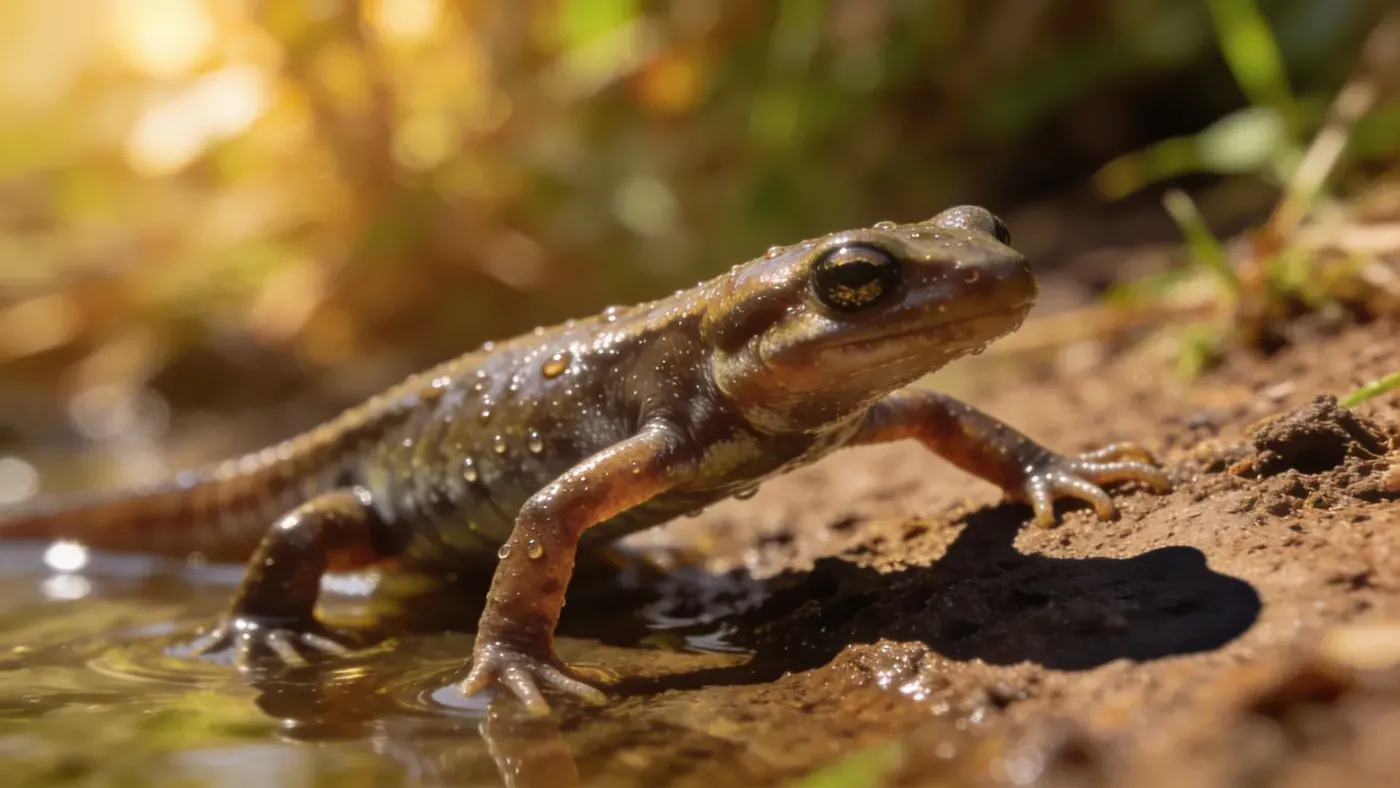
A Tail Built for Swimming
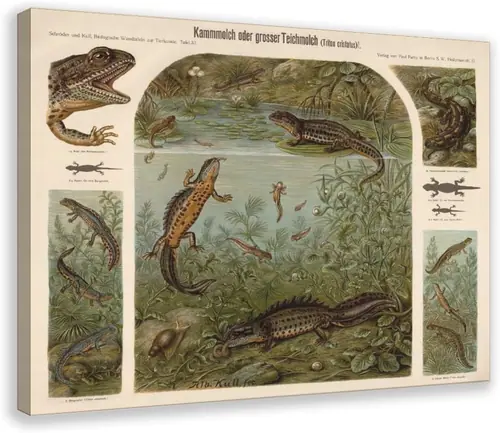
During their aquatic breeding season, many newts develop a flattened, fin-like tail that helps them swim more efficiently through the water.
Losing the Fin on Land
Once a newt returns to a terrestrial phase, it typically loses this specialized tail shape, reverting to a form better suited for moving on land.
A Change of Skin, Too
Skin texture shifts along with the tail. In water, many newts develop smoother, more permeable skin suited to swimming and cutaneous respiration; on land, that same skin turns rougher and drier, offering better protection against dehydration in open air.
A Yearly Round Trip
Most newts repeat this switch every year, migrating to ponds each breeding season and returning to a "eft" or adult terrestrial stage afterward — often journeying surprising distances back to the very pond where they hatched.