Two Very Different Looks
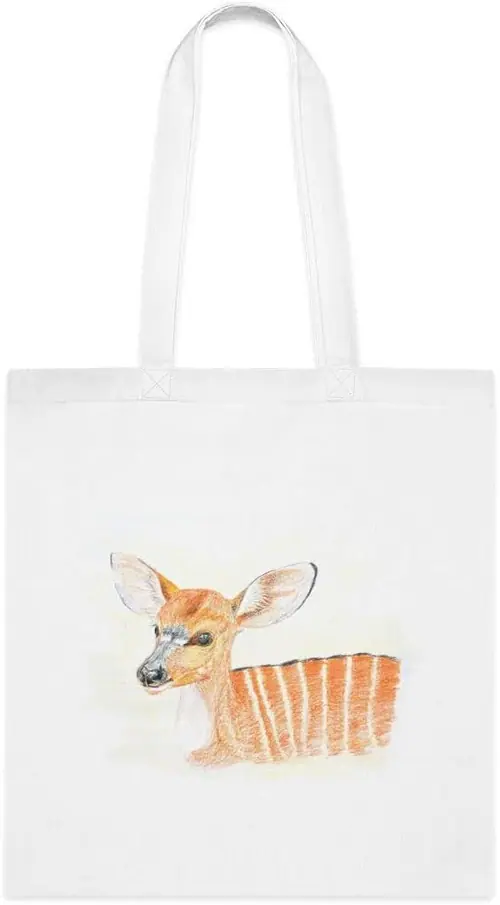
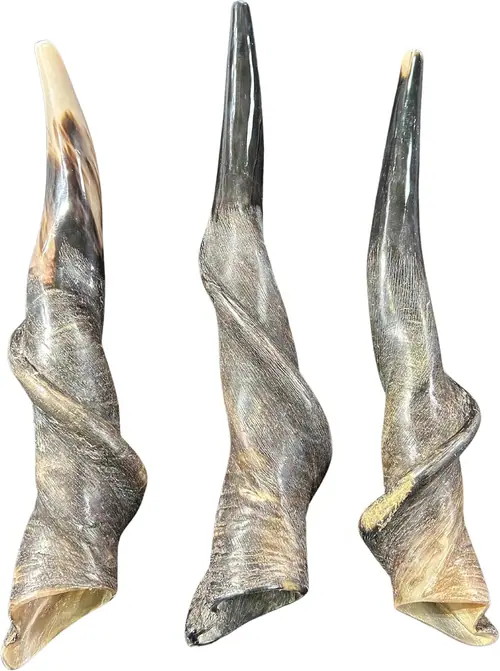
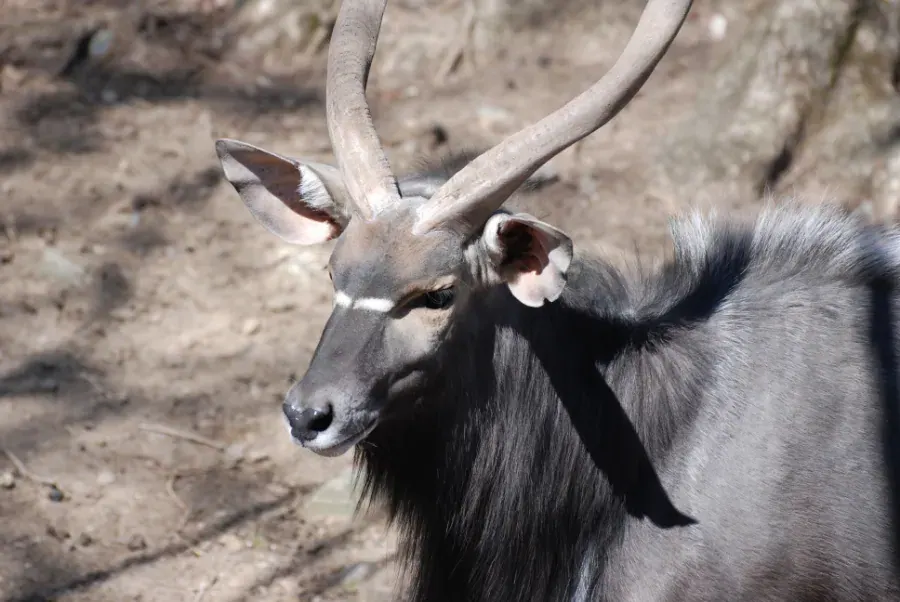
Male and female nyala look so different that early European naturalists initially classified them as separate species — males are larger, dark grey-brown with shaggy fur and long spiral horns, while females are smaller, chestnut-colored, and hornless.
Why the Difference Exists
This pronounced sexual dimorphism likely reflects different evolutionary pressures on each sex — males benefit from horns and larger size for competing over mates, while females benefit from a coat pattern that provides better camouflage while caring for young.
Shared Traits Beneath the Differences
Despite their different appearance, males and females share the same basic body shape, white vertical stripes along the torso, and habitat preferences, reflecting their shared species identity beneath the visual contrast.