A Species Doing Well in the Wild
The common ostrich is listed as Least Concern, with a broad range across sub-Saharan Africa and a large, stable population. That said, some subspecies and regional populations — including the North African red-necked ostrich — have declined sharply from hunting and habitat loss and face much greater local pressure.
A Global Farming Industry
Ostriches have been farmed commercially since the 19th century for their feathers, and today farms worldwide also raise them for lean, low-fat meat, leather and eggs. Large-scale ostrich farming took off first in South Africa and has since spread to the Americas, Europe, Asia and Australia.
Coexisting with People
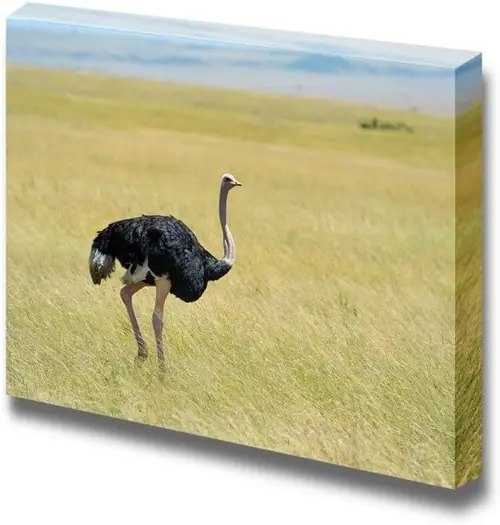
Outside farms, wild ostriches face ongoing pressure from habitat conversion to farmland and, in some regions, illegal hunting for meat, eggs and feathers. Protected reserves across East and Southern Africa remain important strongholds, helping keep the world's largest bird a common sight on the savanna.