The Heaviest Weasel
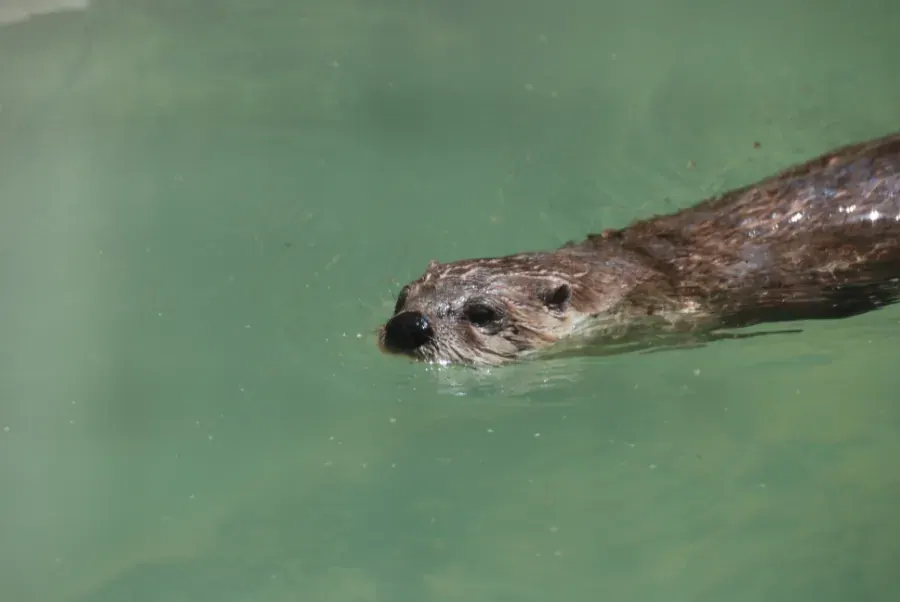
The sea otter is the largest member of the weasel family, Mustelidae, which also includes river otters, badgers, wolverines and minks — a family generally known for slender, agile bodies, making the sea otter’s bulk and specialized marine lifestyle a real outlier within its own family tree.
Fur Instead of Blubber
Unlike seals, whales and most other marine mammals, sea otters have almost no body fat for insulation and instead rely entirely on the densest fur of any animal — up to a million hairs per square inch — which traps a layer of air against the skin to keep frigid Pacific waters from reaching the body.
Nearly Constant Grooming
Because that fur only insulates properly when clean and full of trapped air, sea otters spend several hours a day grooming, working oils through their coat and blowing air into it — a single patch of matted, oil-fouled fur can be enough to cause fatal hypothermia, which is why oil spills are especially devastating to the species.
An Enormous Appetite
A sea otter’s fast metabolism, needed to generate body heat without blubber, requires it to eat 20 to 30 percent of its body weight in food every day — proportionally one of the largest food requirements of any marine mammal relative to size.
A Keystone of the Kelp Forest
Sea otters prey heavily on sea urchins, which left unchecked can devastate kelp forests by grazing through the kelp’s base. By keeping urchin populations in check, sea otters allow kelp forests to flourish, supporting an entire ecosystem of fish and invertebrates — a textbook example of a keystone species.