Status Varies by Species
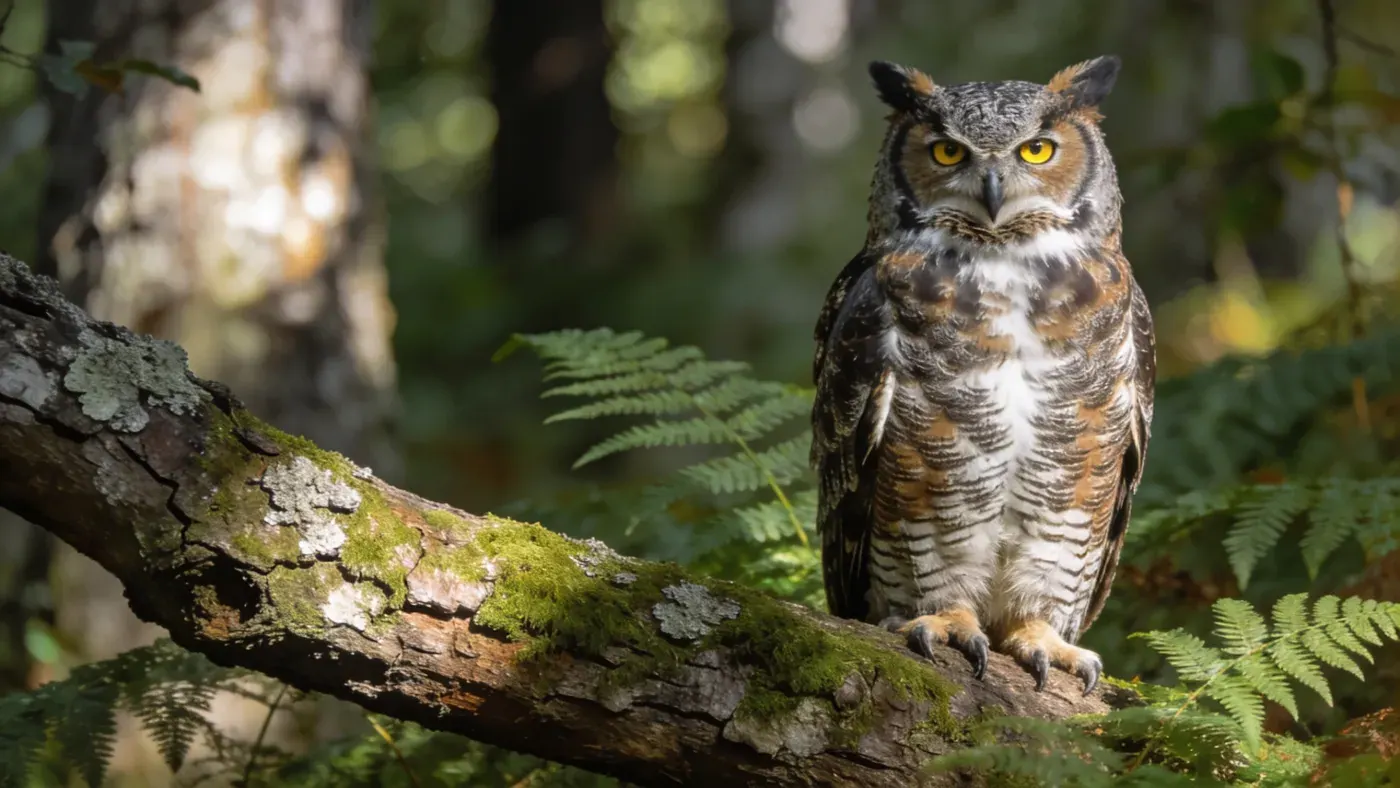
Conservation status varies widely across the more than 200 owl species — many common species like the great horned owl are Least Concern, while others, such as the Blakiston's fish owl, are Endangered.
Habitat Loss From Logging
Old-growth forest owl species, like the northern spotted owl, have declined significantly as logging removes the large, mature trees they depend on for nesting cavities.
Rodenticide Poisoning
Owls that hunt rodents can be secondarily poisoned by eating rats or mice that have consumed rodenticide, a growing concern in agricultural and suburban areas.
Vehicle Collisions
Owls often hunt along roadsides where rodents are drawn to grass verges, making vehicle strikes a common cause of injury and death, especially at night.
Nest Box Programs
Conservation groups have installed thousands of artificial nest boxes for species like barn owls, helping offset the loss of natural cavities in old trees and barns.