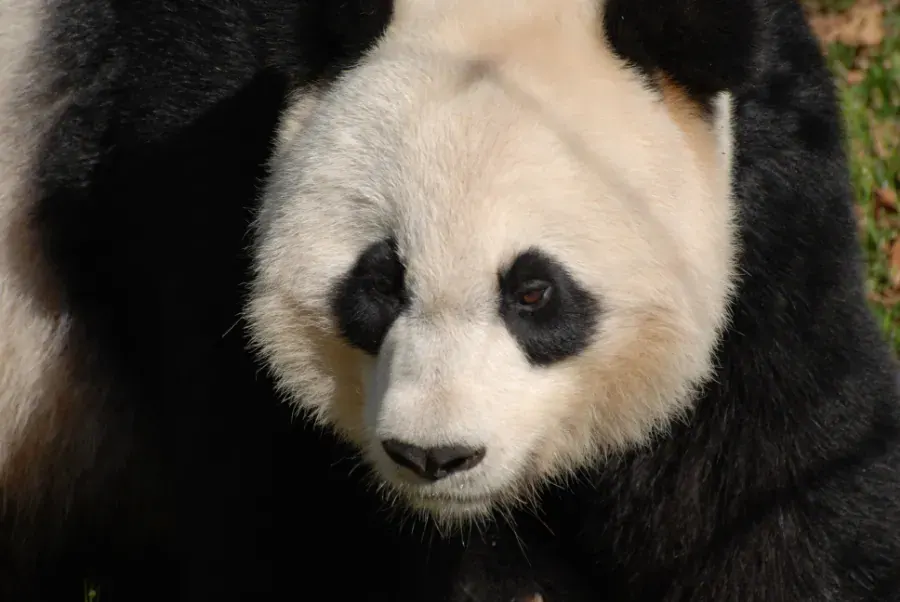
From Endangered to Vulnerable
In 2016 the giant panda’s IUCN status improved from Endangered to Vulnerable, reflecting decades of sustained conservation investment by China — one of the clearer wildlife recovery stories of the past half-century, though the species remains far from secure. Wild population estimates now stand at around 1,800 individuals, roughly double the number recorded a few decades earlier.
A Vast Reserve Network
China has established more than 60 panda reserves covering a substantial share of the species’ remaining habitat, connected in places by forest corridors intended to let genetically isolated subpopulations mix again after decades of fragmentation from roads, farming and settlement.
The Bamboo Die-Off Problem
Because pandas depend so heavily on a small number of bamboo species, and those species periodically flower and die back en masse on natural multi-decade cycles, reserves are managed to include multiple bamboo species maturing on different schedules — reducing the risk that a single die-off event could leave an entire local panda population without food.
Captive Breeding and Reintroduction
China’s panda breeding programs, centered on facilities in Chengdu and Wolong, have made major strides in overcoming the species’ notoriously narrow breeding window and low birth rates, and have begun a cautious program of reintroducing captive-bred pandas to the wild — a technically difficult undertaking given how much of the species’ survival skills, including foraging and predator avoidance, must be learned rather than instinctive.
Panda Diplomacy and Its Real Value
The practice of loaning pandas to foreign zoos, often called panda diplomacy, generates significant funding that flows back into Chinese conservation programs, and has made the species one of the most effective ambassadors for conservation awareness of any animal on Earth — a reputation that has translated into real, measurable protection funding rare for most other threatened species.