India's National Bird
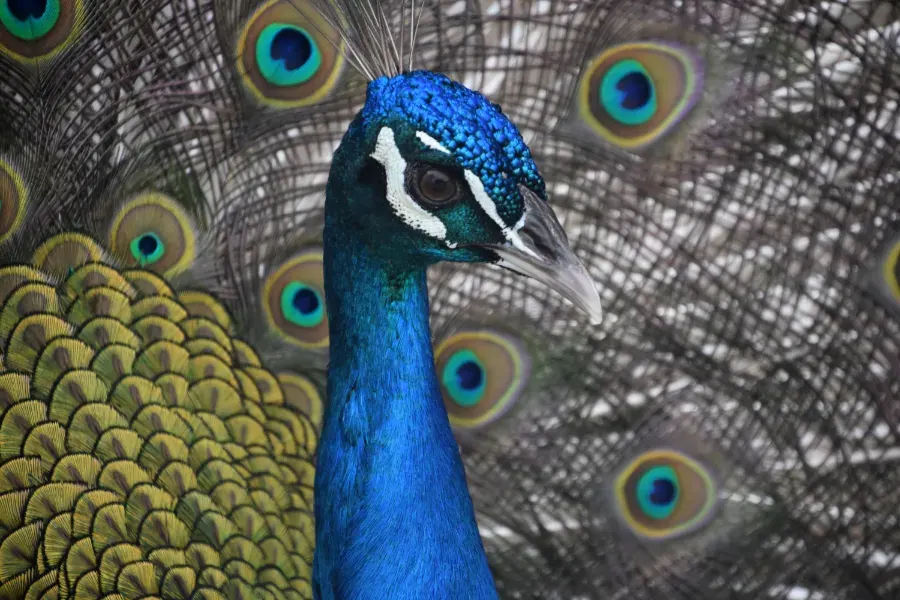
The Indian peafowl has been India's national bird since 1963, reflecting its long-standing cultural and religious significance across the subcontinent, where it appears in ancient temple carvings, royal art, and folklore stretching back thousands of years.
A Recurring Figure in Hindu and Greek Mythology
In Hindu tradition, the peacock is associated with the deity Kartikeya, who rides one into battle, and is linked to themes of beauty and protection. In ancient Greek mythology, the peacock was sacred to the goddess Hera, and its many-eyed tail was said to have come from the hundred eyes of the giant Argus.
A Symbol With Two Sides
Across cultures, the peacock has carried strikingly different symbolic meanings: in many Asian and Christian traditions it represents renewal, immortality, and divine favor, while in some Western folklore its feathers have been considered unlucky or a symbol of vanity and pride — the very root of the English word "vain" as applied to showy display.
A Design Motif for Centuries
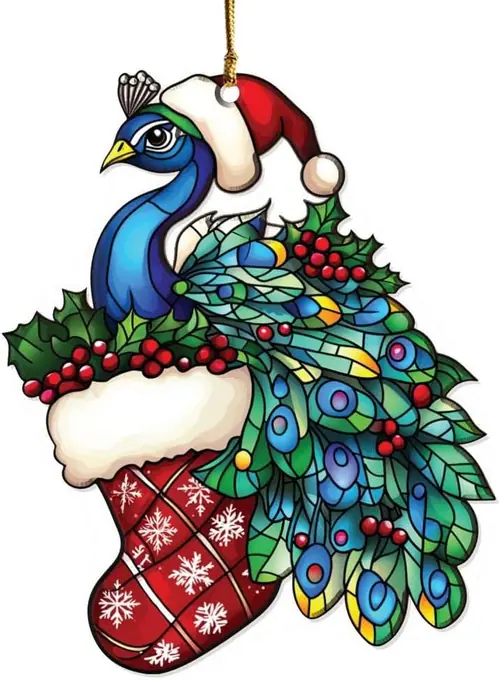
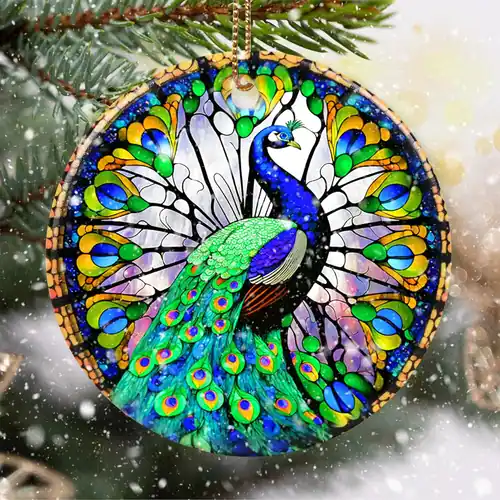
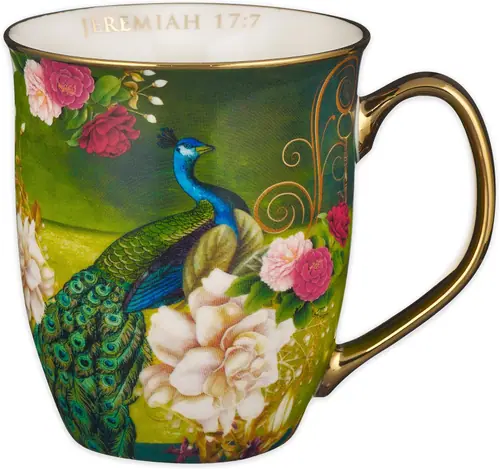
The peacock's iridescent feather pattern has inspired decorative art for centuries, appearing in Persian miniature painting, Art Nouveau jewelry and posters, and countless textiles and ceramics worldwide, making it one of the most enduring animal motifs in human design history.