A Story of Recovery
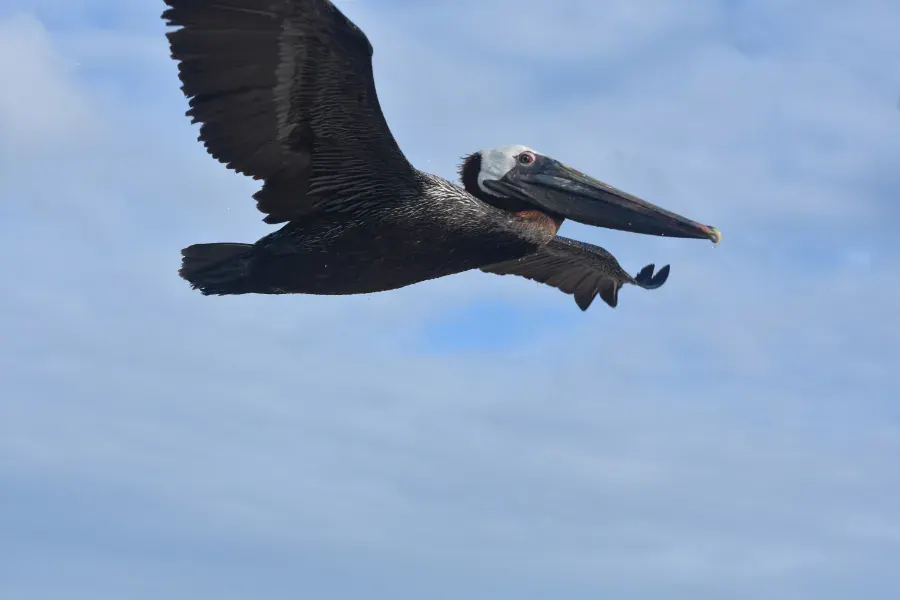
The brown pelican nearly vanished from parts of the United States in the mid-20th century due to the pesticide DDT, which thinned eggshells and collapsed reproduction — much like it did for the bald eagle.
Removed From the Endangered List
Following the 1972 U.S. ban on DDT and decades of population monitoring, the brown pelican was removed from the U.S. endangered species list in 2009, one of the notable conservation success stories among American birds.
Fishing Line Entanglement
Discarded fishing line and hooks remain a common hazard for pelicans, which can become entangled or accidentally hooked while foraging near piers and fishing boats.
Oil Spills and Coastal Habitat
As coastal birds, pelicans are especially vulnerable to oil spills, which can coat their feathers, destroy waterproofing, and lead to hypothermia or drowning.
Protecting Nesting Islands
Conservation groups work to protect the isolated islands and coastal areas where pelicans nest in large colonies, since disturbance or habitat loss at these sites can affect thousands of birds at once.