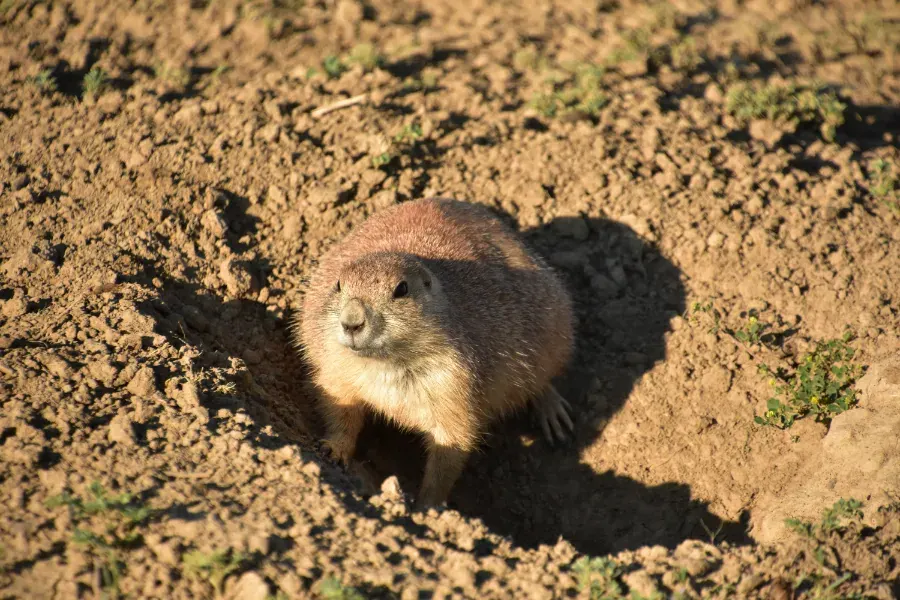
A Massive Historical Decline
Prairie dog populations across North America have fallen dramatically from their historic numbers, with some estimates suggesting a decline of more than 90 percent from the vast colonies that once spread across the Great Plains.
Poisoning, Farmland Conversion, and Plague
Widespread poisoning campaigns by ranchers, the conversion of native grassland into farmland, and outbreaks of sylvatic plague — a flea-borne disease that can wipe out an entire colony within weeks — have all driven the decline, and the black-tailed prairie dog remains a candidate for federal protection in parts of its range.
A Keystone Species Worth Protecting
Prairie dog decline ripples through the wider grassland ecosystem, since dozens of other species — including burrowing owls, black-footed ferrets, and swift foxes — depend directly on prairie dog burrows or prey on prairie dogs themselves.
Recovery Efforts Are Underway
Conservation groups and some public land agencies now manage protected grassland reserves specifically to support prairie dog towns, recognizing their outsized ecological importance, while researchers work on plague vaccination programs to help colonies withstand disease outbreaks.