A Family of Its Own
Raccoons belong to Procyonidae, a family that also includes coatis, kinkajous and ringtails, mostly native to the Americas. Despite superficial resemblance, raccoons are not related to bears, and the popular comparison is based purely on appearance rather than ancestry.
The Mask and the Rings
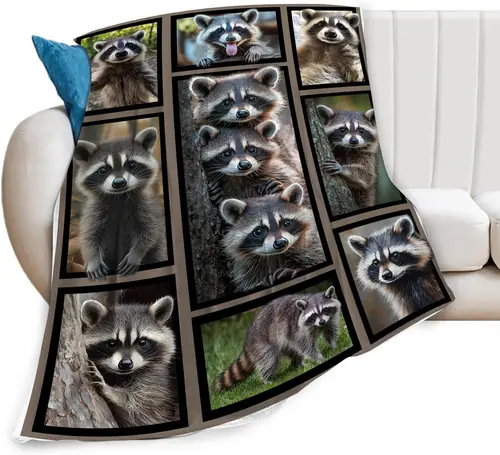
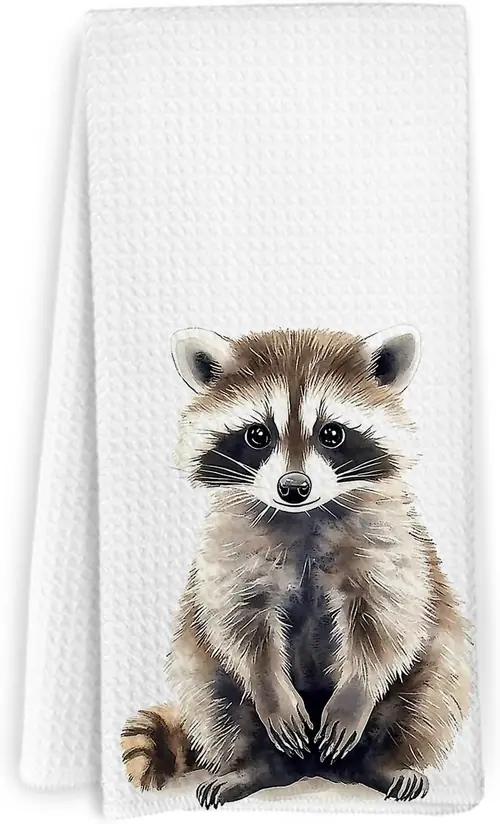
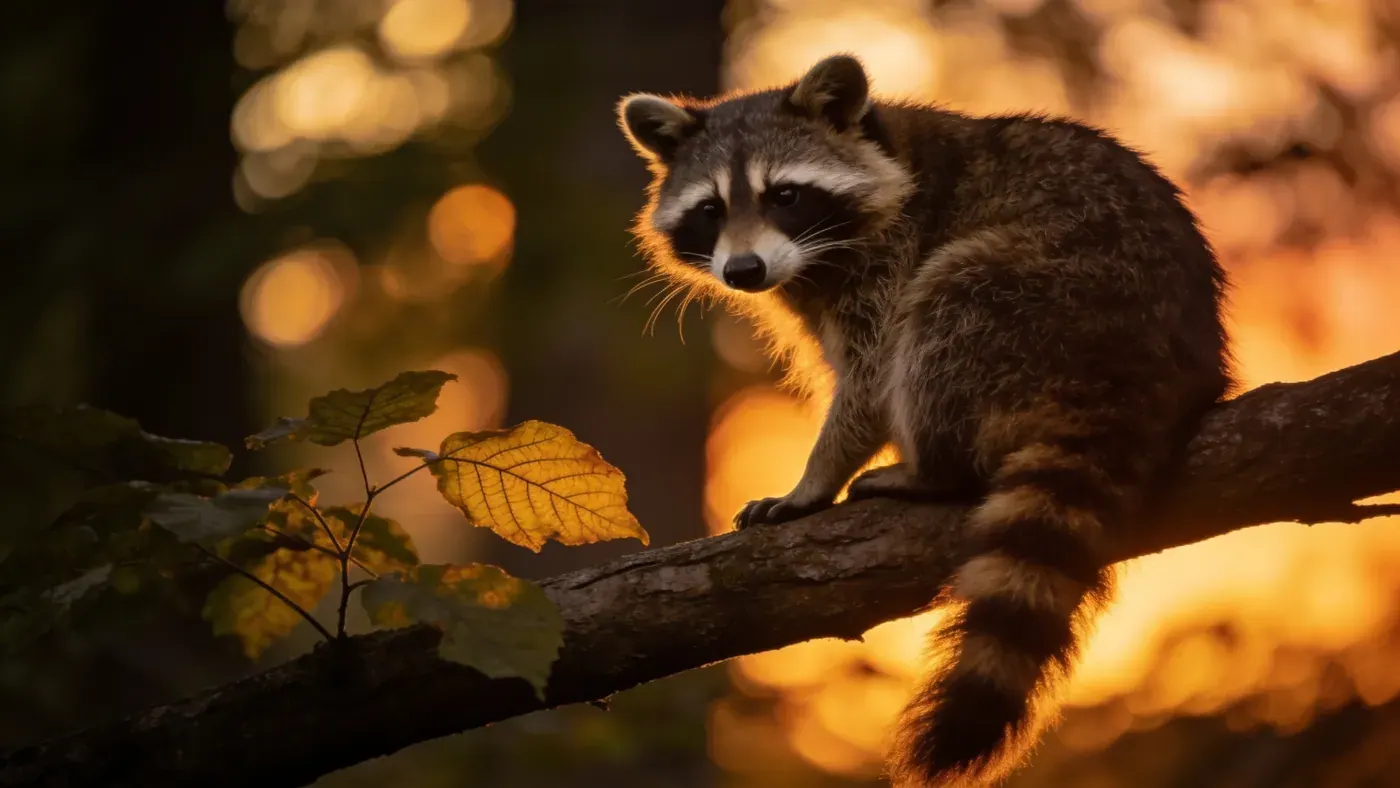
A raccoon’s black facial mask and ringed tail are its most recognizable features, and both may serve a functional purpose beyond camouflage — some researchers suggest the dark eye patches reduce glare in low light, similar to the black grease athletes apply under their eyes, aiding the raccoon’s largely nocturnal vision.
A Genuine Homebody With No Fixed Address
Raccoons don’t build permanent burrows of their own, instead denning opportunistically in hollow trees, abandoned burrows, storm drains, chimneys and attics — and readily switch den sites, sometimes using several within a single season depending on food availability and disturbance.
Mostly Solitary, With Exceptions
Adult raccoons are largely solitary outside of breeding season and mothers raising young, though related females sometimes share denning areas, and unrelated males occasionally form loose, temporary social groups — a more flexible social structure than most similarly sized carnivores.
A Truly Cosmopolitan Diet
Few North American mammals eat as broad a range of food as the raccoon — fruit, nuts, insects, frogs, fish, eggs, small mammals, and, wherever available, human garbage and pet food — a dietary flexibility that is central to the species’ success in nearly any environment it encounters.