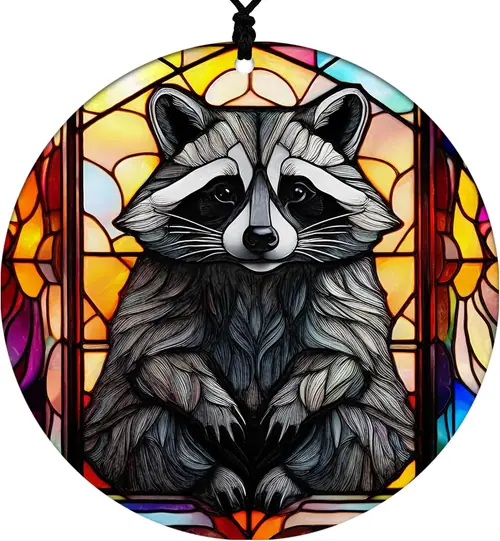
Eyes Built for Darkness
Raccoons have a reflective layer behind their retinas called the tapetum lucidum, which enhances night vision by reflecting light back through the eye — the same trait that makes their eyes glow in headlights.
Sensitive Paws Fill in the Gaps
Because their night vision, while strong, isn’t perfect in total darkness, raccoons rely heavily on their extremely sensitive front paws to feel out food and objects by touch.