One of the Most Successful Urban Wild Mammals
Raccoons thrive in cities more successfully than nearly any other mid-sized wild mammal, sustained by garbage, pet food, gardens and the abundant denning opportunities offered by attics, chimneys, storm drains and sheds — urban environments in many ways resemble the varied, resource-rich landscape raccoons evolved to exploit.
Higher Density Than in the Wild
Studies comparing rural and urban raccoon populations consistently find much higher densities in cities, sometimes many times greater than in comparable natural habitat, driven by the reliable, concentrated food sources that human settlements provide year-round.
Real Conflicts With People
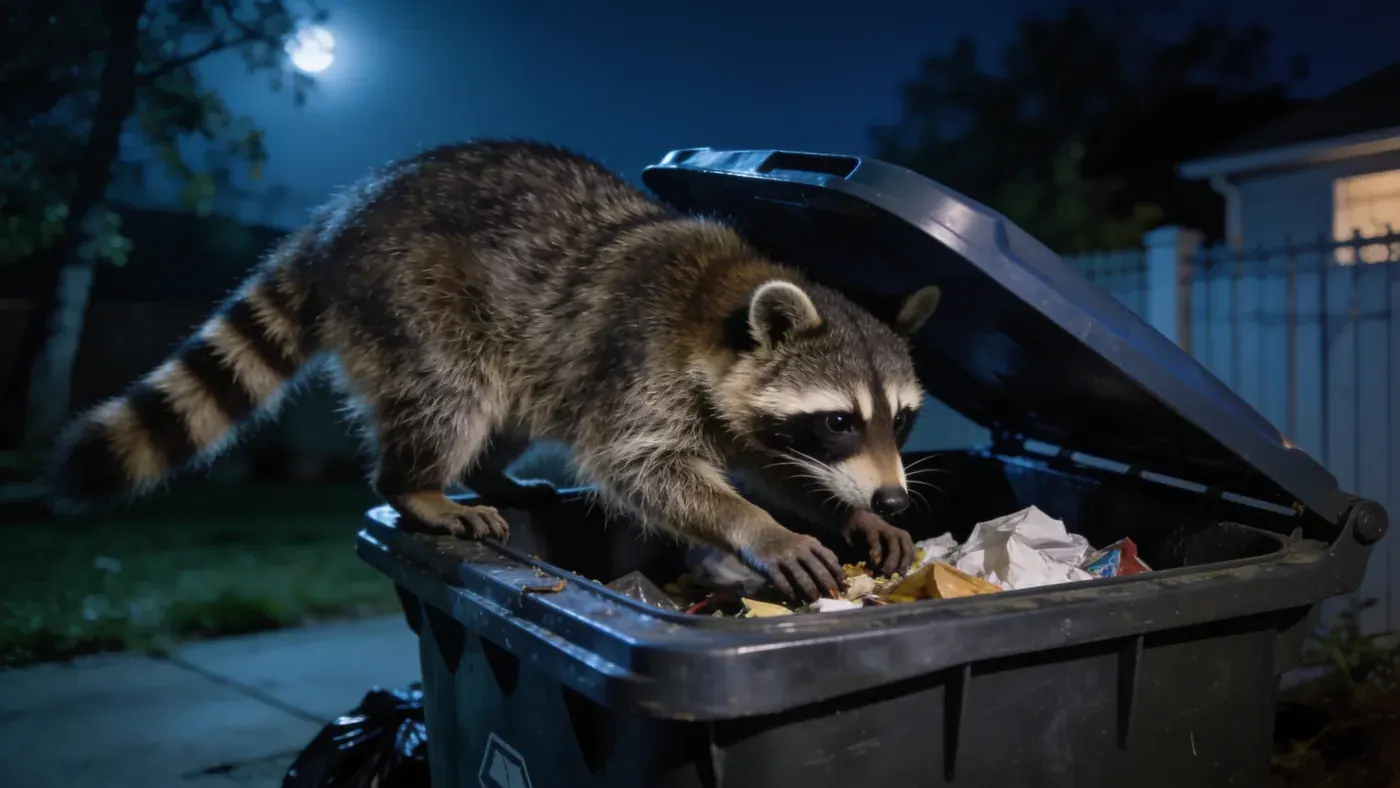
Common urban raccoon conflicts include garbage raiding, denning in attics and chimneys, and garden damage — problems generally addressed through securing food sources and denning access points rather than lethal control, since raccoons quickly relocate to any nearby unsecured alternative.
A Genuine Public Health Consideration
Raccoons can carry rabies and raccoon roundworm, and urban proximity to people and pets makes disease management a real, ongoing consideration for city wildlife agencies — vaccination-baiting programs targeting wild raccoon populations have been used in several regions to control rabies specifically.
Adapting Their Behavior, Not Just Their Range
Beyond simply moving into cities, urban raccoons show measurable behavioral adaptations — greater boldness around people, altered activity patterns to avoid daytime human presence, and documented improvements in solving human-made obstacles like latched containers compared with their rural counterparts.